Camerimage 2025 – Reflections by Lars Pettersson
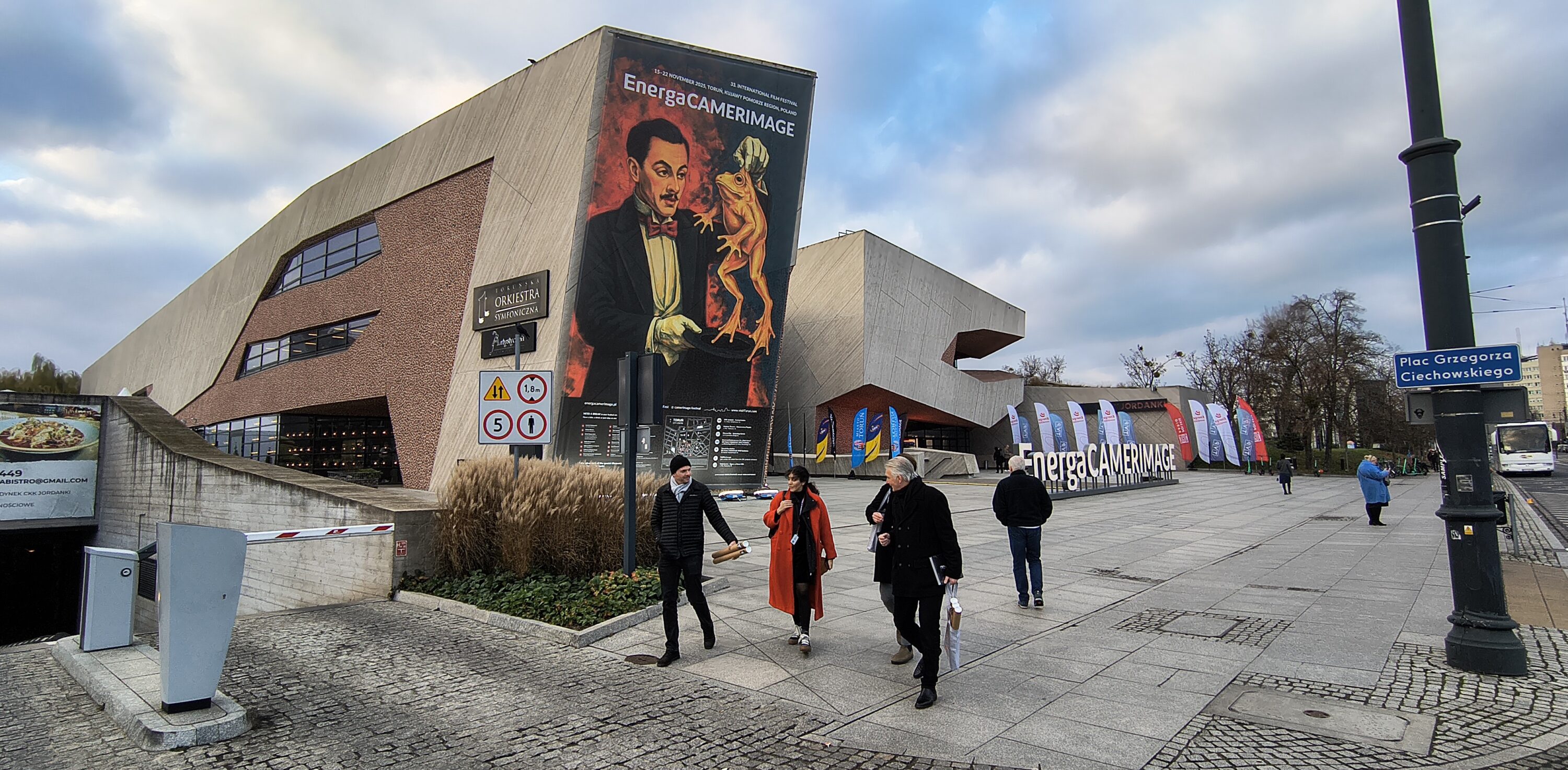
The 33rd International Camerimage Film Festival took place between the 15th and 22nd of November in the picturesque little medieval city of Torun, birthplace of famed astronomer Nicolaus Copernicus and one of Poland’s national treasures. The film schools of Lodz and Warsaw must also surely be counted among Poland’s proudest cultural heritage. And we’ll get to them in a little while.
This year’s festival differs from those of recent years, in that there is no life achievement award given to a famous director of photography. Instead, the festival coordinators have decided to make this edition a tribute to, and a celebration of the work of, Director David Lynch.
My own visit to this year’s festival started off in a somewhat odd way, since getting off the plane in Gdańsk and heading towards the rental car agency at the airport, I noticed my phone failed to connect to the Internet. At first I thought this was just a glitch… But no matter what, my phone stubbornly refused to connect to any local network during my stay in Poland, and navigating by Polish road signs from Gdansk to Torun made the drive somewhat more meandering and adventurous than I had anticipated. At least now I know what ”Uwaga!” and ”Jedziesz w złą stronę!” means… But all things considered in the end I had an enjoyable, although somewhat whirlwind, experience at the 2025 Camerimage Film Festival.
As usual, the festival is brimming over with activity, hundreds of film screenings, personal appearances by famous cinema professionals, and a whole lot of partying in the evenings. Famous Irish DP Robbie Ryan, BSC, received the THR Visionary in Cinematography Award at the festival’s opening ceremony, and those lucky enough to have been there saw him DJ’ing on stage at Club NRD in the evening of the 16th. According to those who were there, the dance floor was brewing with gyrating bodies and everybody was having a brilliant time.
As tradition has it, the technical exhibition is to be found in the impressive CKK Jordanki building. It’s somewhat smaller this time around than last year, and some companies have chosen to display their products elsewhere in Torun during the festival. But just the same, there are some welcome surprises at The Marketplace, as it’s called.
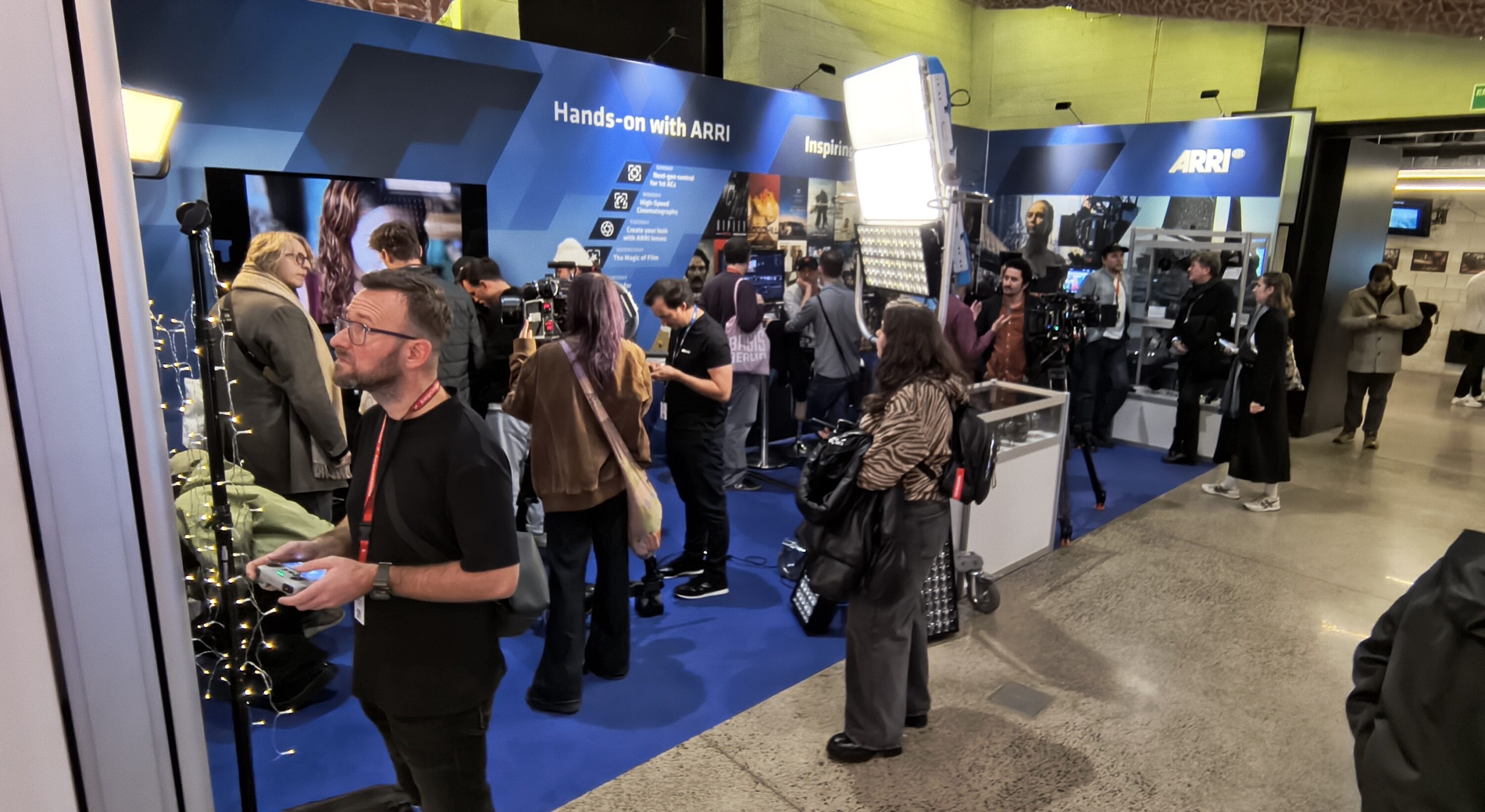
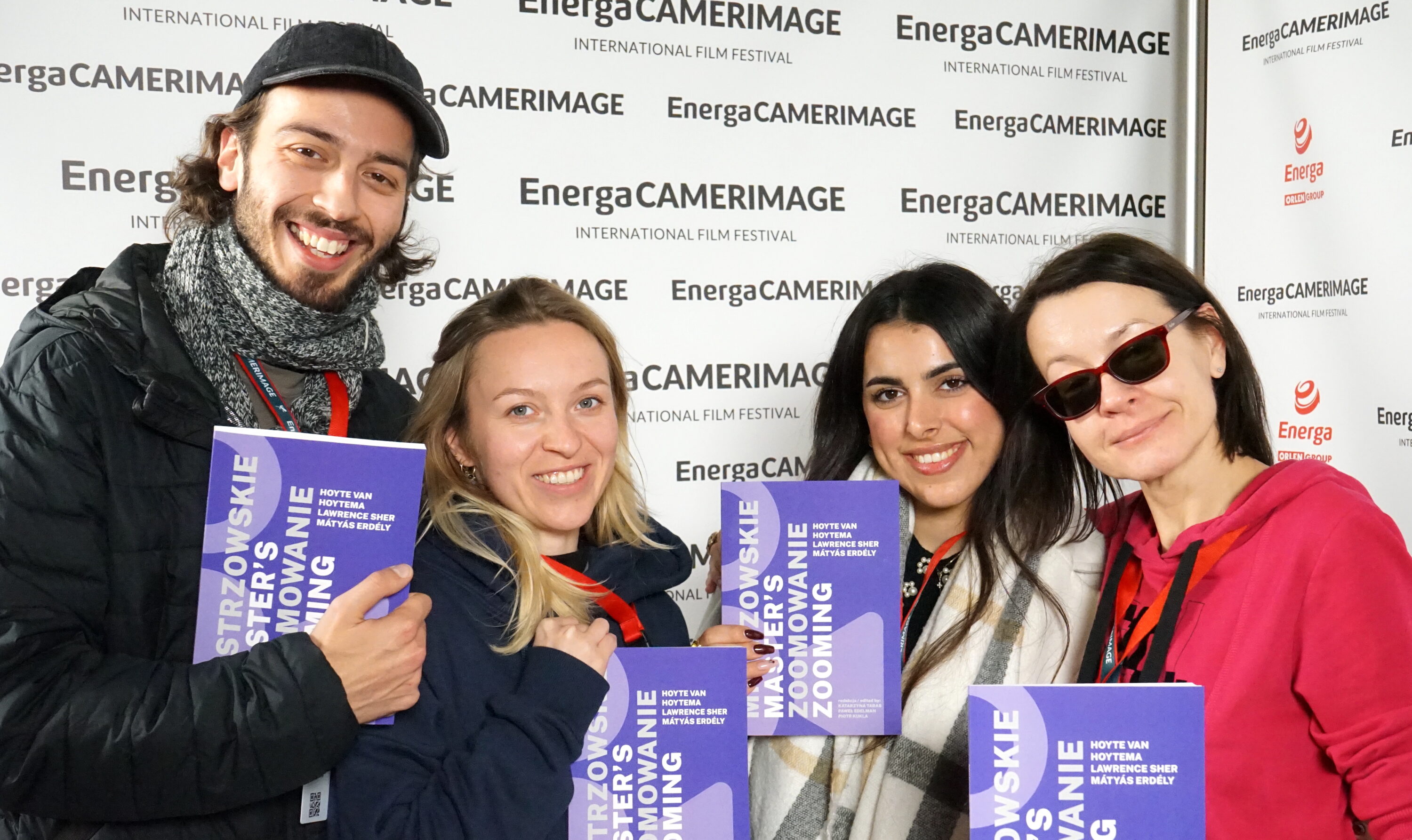
One very welcome return is that ARRI are once again here, and with a really expansive booth. As usual, the Lodz Film School also has a booth at the exhibition, complete with a little bookstore. It is staffed by teachers and students, and here I meet Professor Katarzyna Taras, who has just published a new book focusing on the work of famous cinematographers Hoyte van Hoytema, Lawrence Sher and Mátyás Erdély.
In the Nanlux booth, the Evoke family of lights is welcoming two new members, the 150C and the 600C spotlights, both featuring the brand new Nebula C8 colour engine. I have a chat with Camel Luo, and also the Swedish representative for the brand, Henrik Ruergård from Focus Nordic in Gothenburg, who explain that ”no other Nanlux lights have this light engine, and the name Nebula C8 denotes that it has eight colour emitters: deep red, red, amber, lime, green, cyan, blue and indigo, and in that exact order”.
It turns out the 150C and 600C have begun shipping already, so some of the rental houses in the UK and Germany already have them in their inventory. You just plug them in the socket, you don’t need a ballast or anything for these spotlights and they are IP66 rated which means you can use them in the rain, or even in a storm.
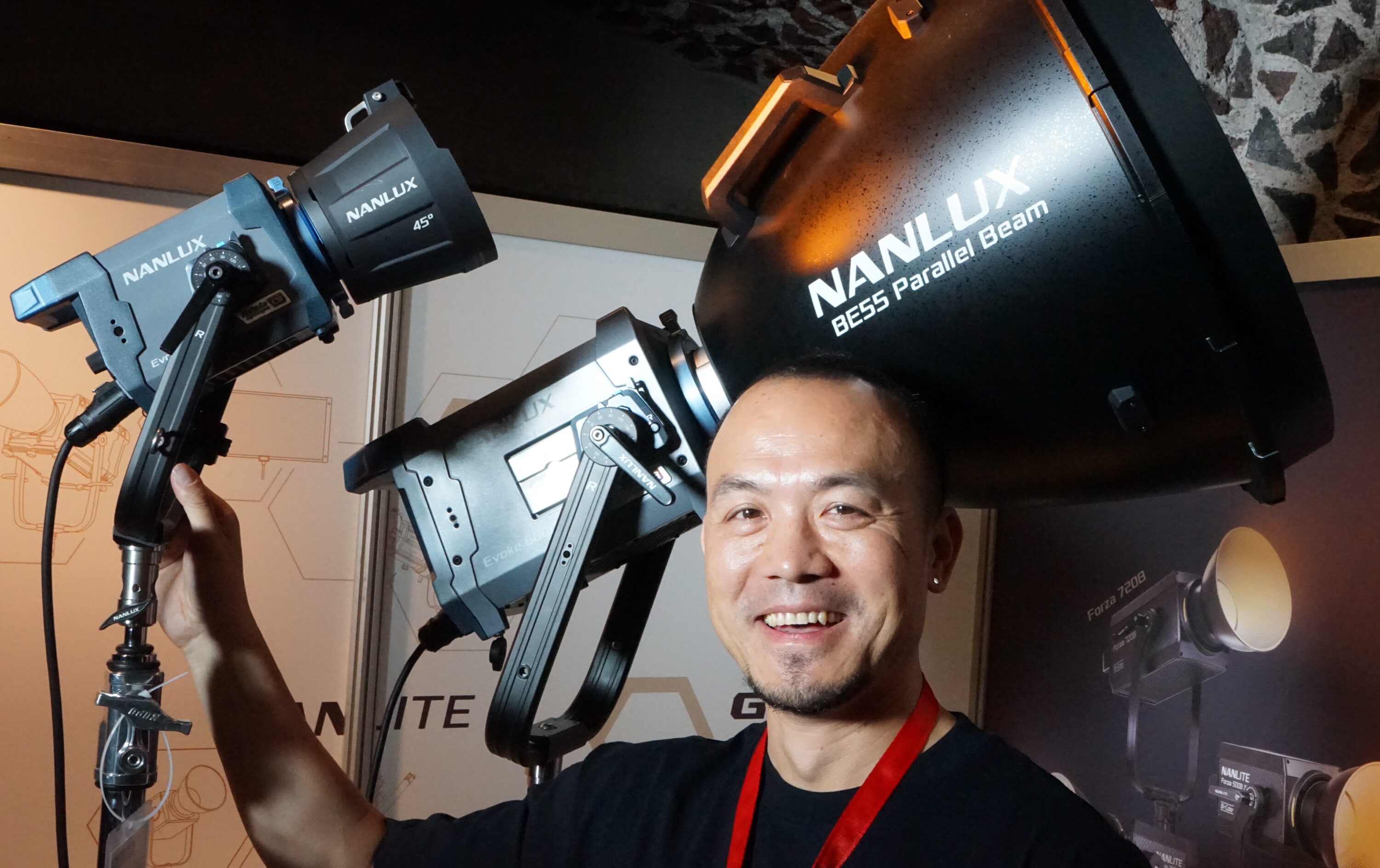
”And because of the additional two colour emitters”, Camel points out, ”these two lights offer way more saturated colour, more pleasing skin tones, and the CCD range is the widest in the industry. The colour temperature can be changed from 1’000 Kelvin to 20’000 Kelvin, and the light stays solid all the way through. Nobody else can go as low as 1’000 Kelvin, that’s even warmer than candle light, which is usually like 1’800 Kelvin”.
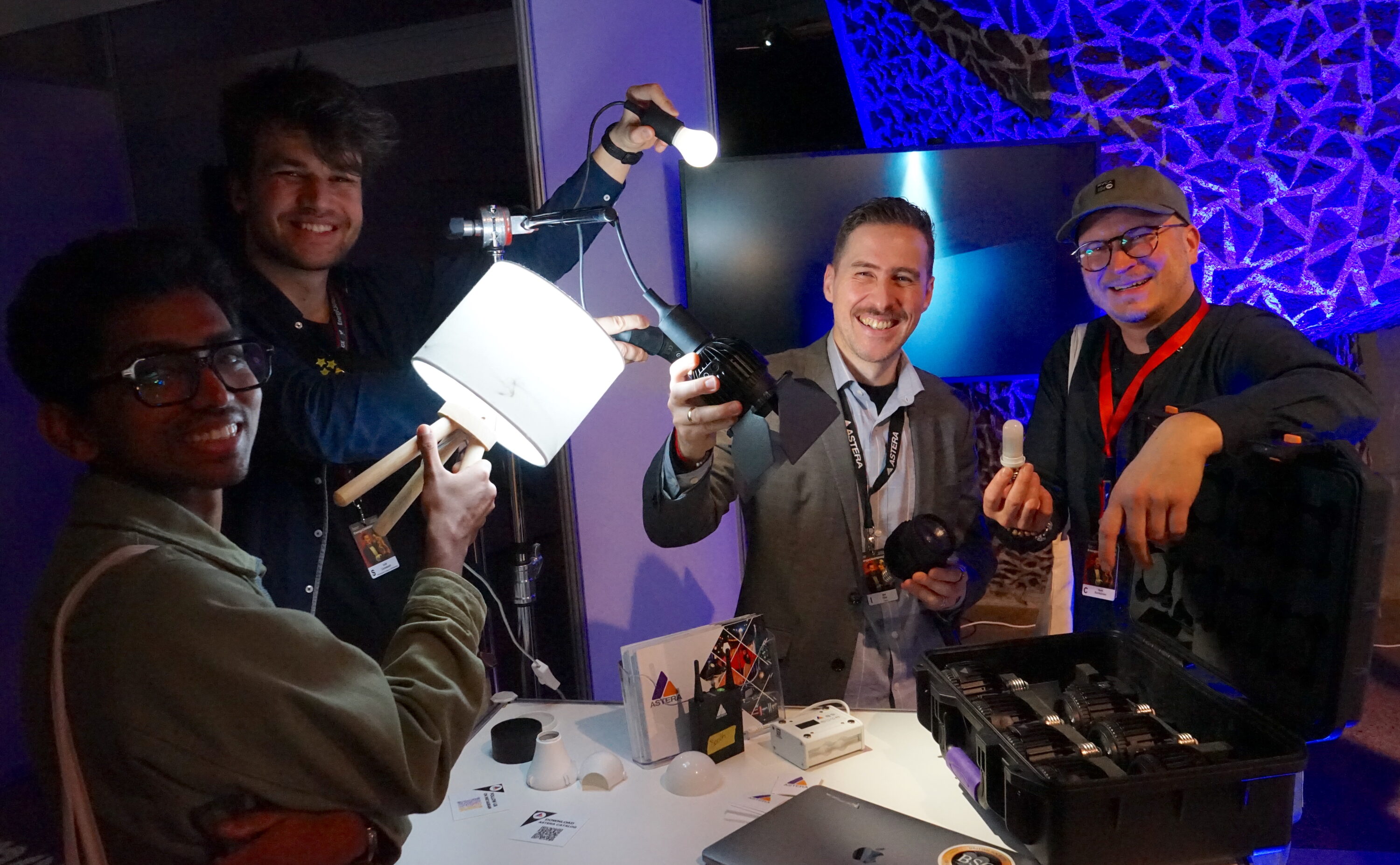
Astera have the next door neighboring booth and their representative Ben Diaz explains how popular demand has led them to expand their family of ’practical’ lighting bulbs, already consisting of the Nyx and LunaBulb models, with the brand new 50 watt SolaBulb. It makes a lot of sense that one would like to have all practical bulbs in a lighting setup immediately responsive to wireless DMX control, along with the rest of the fixtures, so Astera’s offerings in this niche have been very popular.
”And now the new SolaBulb, if you compare it to a tungsten fixture”, Ben Diaz points out, ”is basically a Fresnel spotlight in a bulb! You have the possibility to zoom in and out from 15 to 50 degrees. And since it’s a Fresnel and it behaves like a Fresnel, people started using it as an eye light and similar stuff. So that’s why we ended up offering these barndoors so you can shape the light in a similar way as you would with a very small spotlight. And like any Astera product, it’s based on the Titan engine, and they are dimmable and you have very good low-end dimming and also all Astera products have the same wireless protocols”.
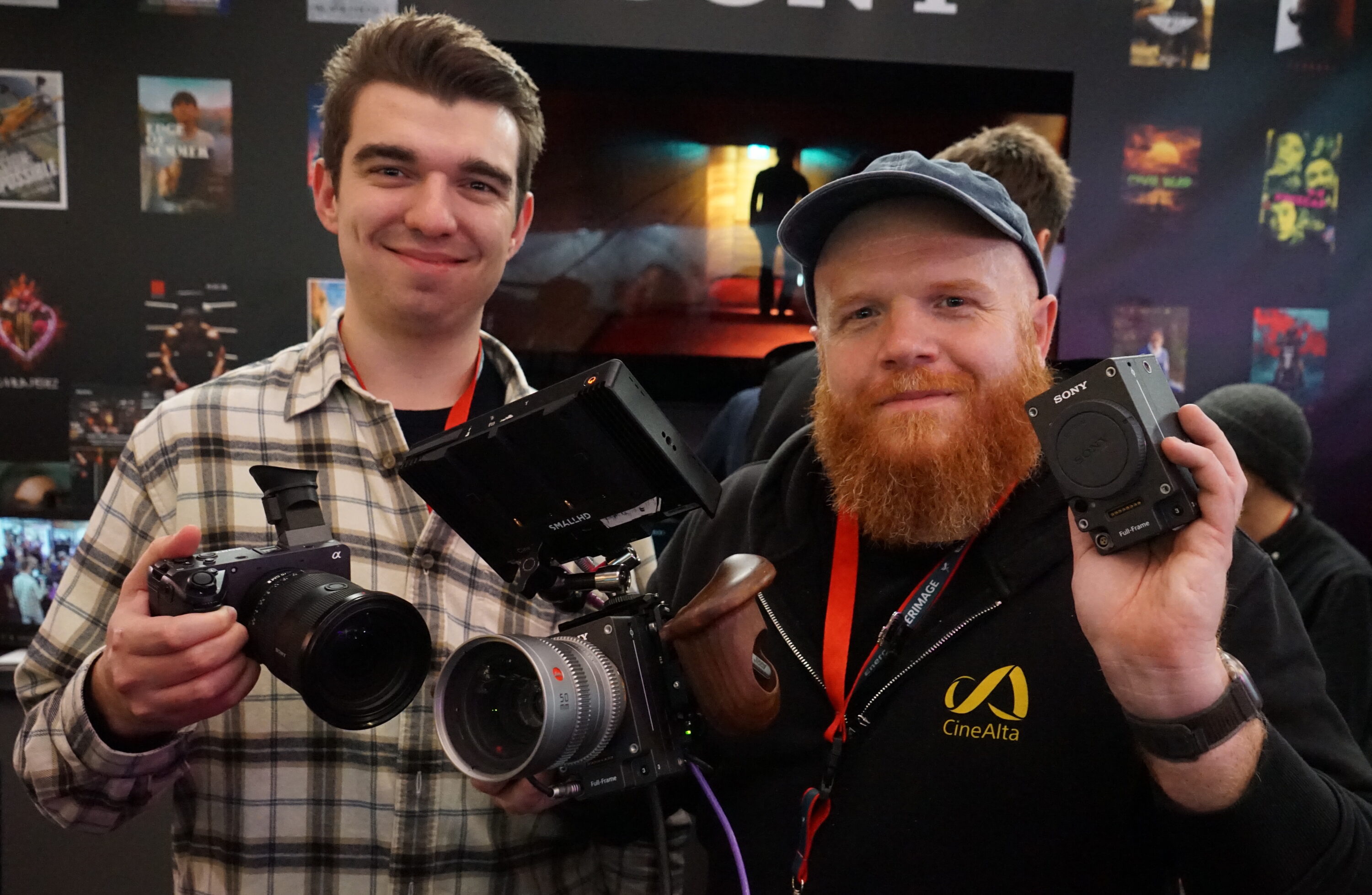
Tom Williams and Will Newman have every reason to look proud and happy, as they have an impressive bunch of cameras and other items on display in the Sony booth, but there are two brand new launches that they are extra excited about: the FX2 camera and the RIALTO Mini.
So first things first: only released a few months ago, the FX2 is quite similar to the FX3 camera, but smaller, a little cheaper as well and therefore more student-friendly and does have some different features in it.
”It’s worth noting it has a proper viewfinder”, Will points out, ”so not only is it good for students, but it’s also good for cinematographers, who can use it as a director’s viewfinder, because everyone likes a real viewfinder. It’s a fantastic camera and a very affordable way for people to make their first foray into the full-frame CineAlta family, into our cinema line. And it’s full-frame, same sensor size as the FX3, the FX6 and our Burano. It’s a full-frame e-mounted FX camera”.
”And then we also have the Venice Extension System Mini, often called the Rialto Mini”, Will continues. ”It’s brand new for this year, we’re actually releasing it quite soon. So it is a Venice 2 8.6K sensor, but just like the regular Rialto, we’re extending it off the camera body by up to 12 meters. What’s really unique about this is we removed the ability to have the rotating ND, which actually allowed us to make it much smaller. So now you have the power of a Venice -and the camera body can be 12 meters away- in a package that is smaller than a soft drink can, only weighs 500 grams and can be E-mount, PL, LPL, whatever you want.
And the Rialto Mini is really, really versatile, allowing cinematographers to not be hindered by the size of the shot. Because usually when people need a smaller camera, they have to make a sacrifice in quality. And usually you see that drop in quality. But now you don’t have to”.
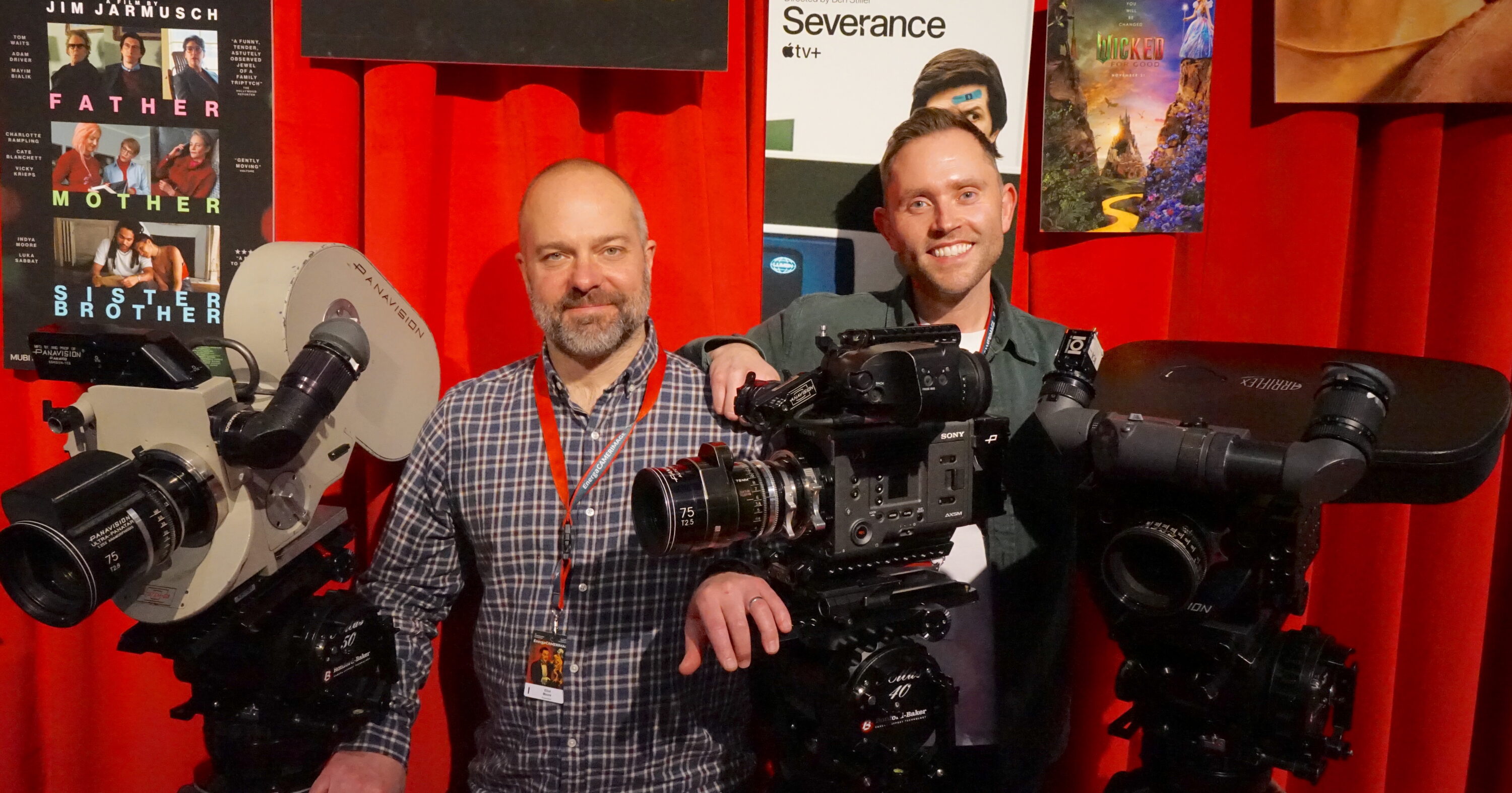
Panavision have on display a very impressive lineup of cameras in their stand and Elliot Moore and Adam Brown explain that ”our attendance here is about our range of offering, from camera through to optics, and pretty much being able to cover every single format, all the way through to VistaVision, to 65mm, to Arri 35. We’ve got it here, and we’ve got it available most of the time”.
But one obviously major theme at this year’s festival are the many important collaborators of David Lynch. Peter Deming ASC received the Duo Award during the festival’s opening ceremony, and another guest is Ron Garcia, ASC, whom I have the pleasure of meeting briefly. A soft-spoken, quiet man, his appearance does not in any way herald his many accomplishments. A native of Los Angeles who studied fine art painting at the Art Center College of Design, Ron Garcia is one of the true Maestros of the ASC and a recipient of the society’s prestigious lifetime achievement award. In 2018, a comprehensive exhibition was held in Los Angeles showcasing his paintings, sculpture and still photography. Ron Garcia shot the pilot episode of Lynch’s seminal TV series ”Twin Peaks” and also lensed the 1992 feature film ”Twin Peaks, Fire walk with me”.

Even though no Life Achievement Award was handed out to a cinematographer this year, nevertheless, true to tradition, the main competition Frog Awards were handed out. This year’s recipients were… The Golden Frog went to Judith Kaufmann for ”Late Shift”, directed by Petra Volpe. Silver Frog went to Fabian Gamper for ”Sound of Falling” directed by Mascha Schilinski, and finally, the Bronze Frog went to Michał Sobociński for ”Chopin, a Sonata in Paris” directed by Michał Kwieciński.
Lars Pettersson FSF

Senaste 5 nyheterna

Roy Rossovich och Charlotta Tengroth kommer till Barbros 31/3
Vi fortsätter våra klubbkvällar för medlemmar under våren 2026.
Nästa FSF-kväll blir tisdagen 31/3 kl.17.30-ca 20.00
Då gästas vi av Charlotta Tengroth och Roy Rossovich
Charlotta är utbildad på DI, plåtar mest dokumentärfilmer och arthouse.
Roy Rossovich, Internationellt verksam inom både inom stillbildsfotografi & rörliga bilder.
Läs mer…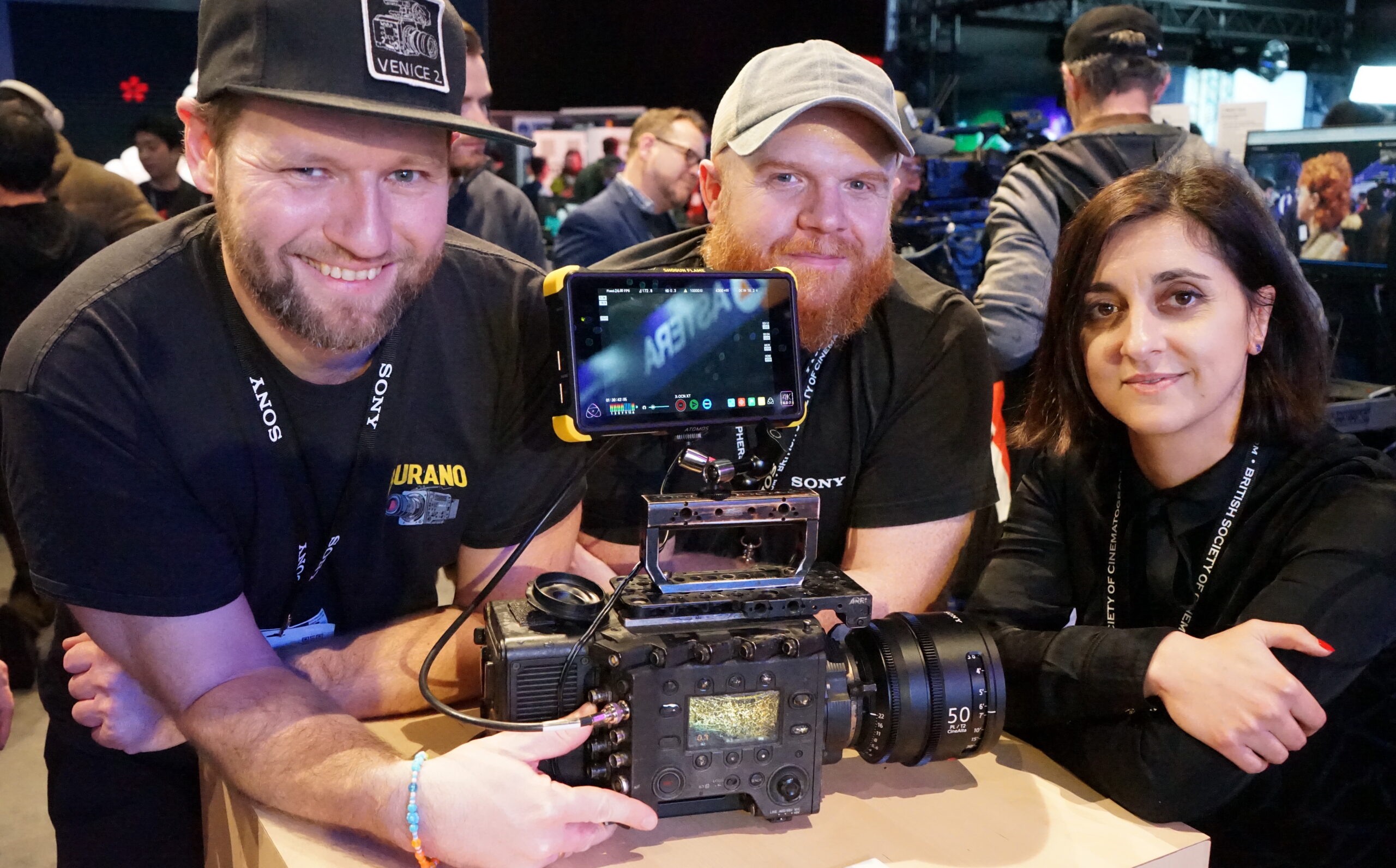
BSC Expo 2026
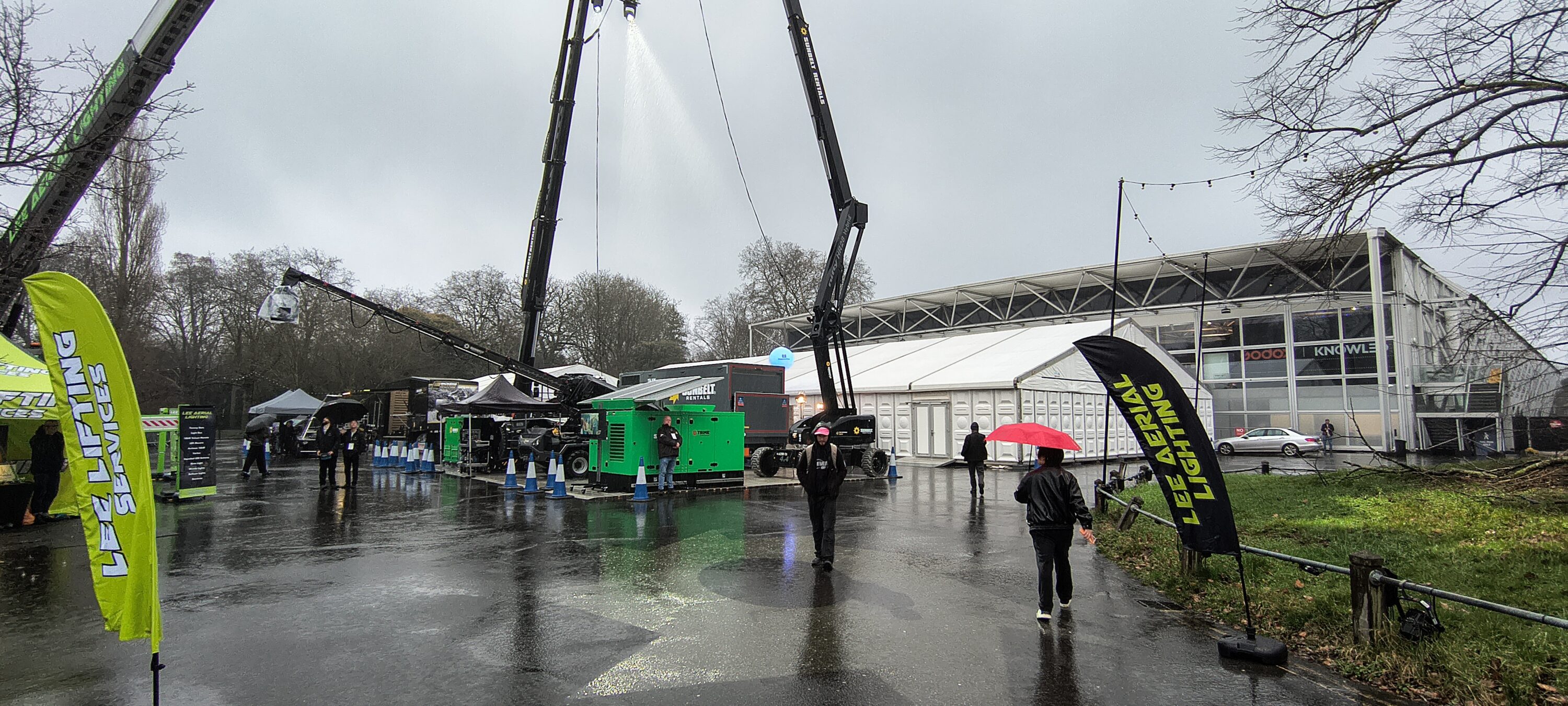
Whoever came up with the idea of opening this year’s Expo on the ominous date of Friday the 13th certainly had nerves of steel, since superstition runs like a long traditional thread through cinema history. The classic monster movie King Kong from 1933 is 14 reels long because in the first edit they discovered that it ran 13 reels, and to release it that way was unthinkable, so either cut it down or shoot some more. Filmmakers Schoedsack and Cooper knew they had a hit on their hands and so decided to shoot the famous scene where King Kong smashes a subway car in New York City.
Läs mer…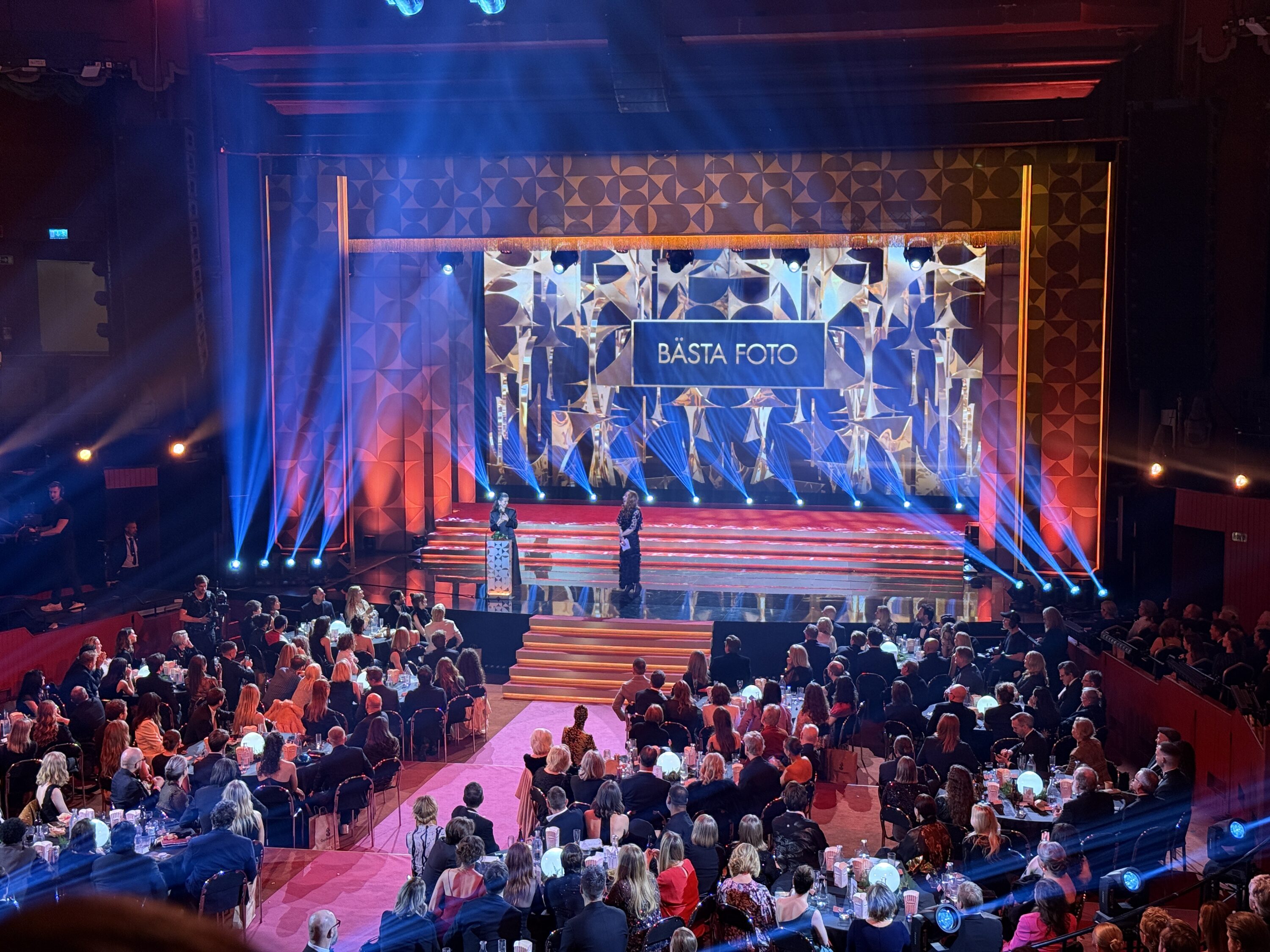
Det finns inget tråkigare än en snygg bild – ett samtal mellan filmfotografen Lisabi Fridell och Adam Nilsson