Nordic Cine Forum 2026
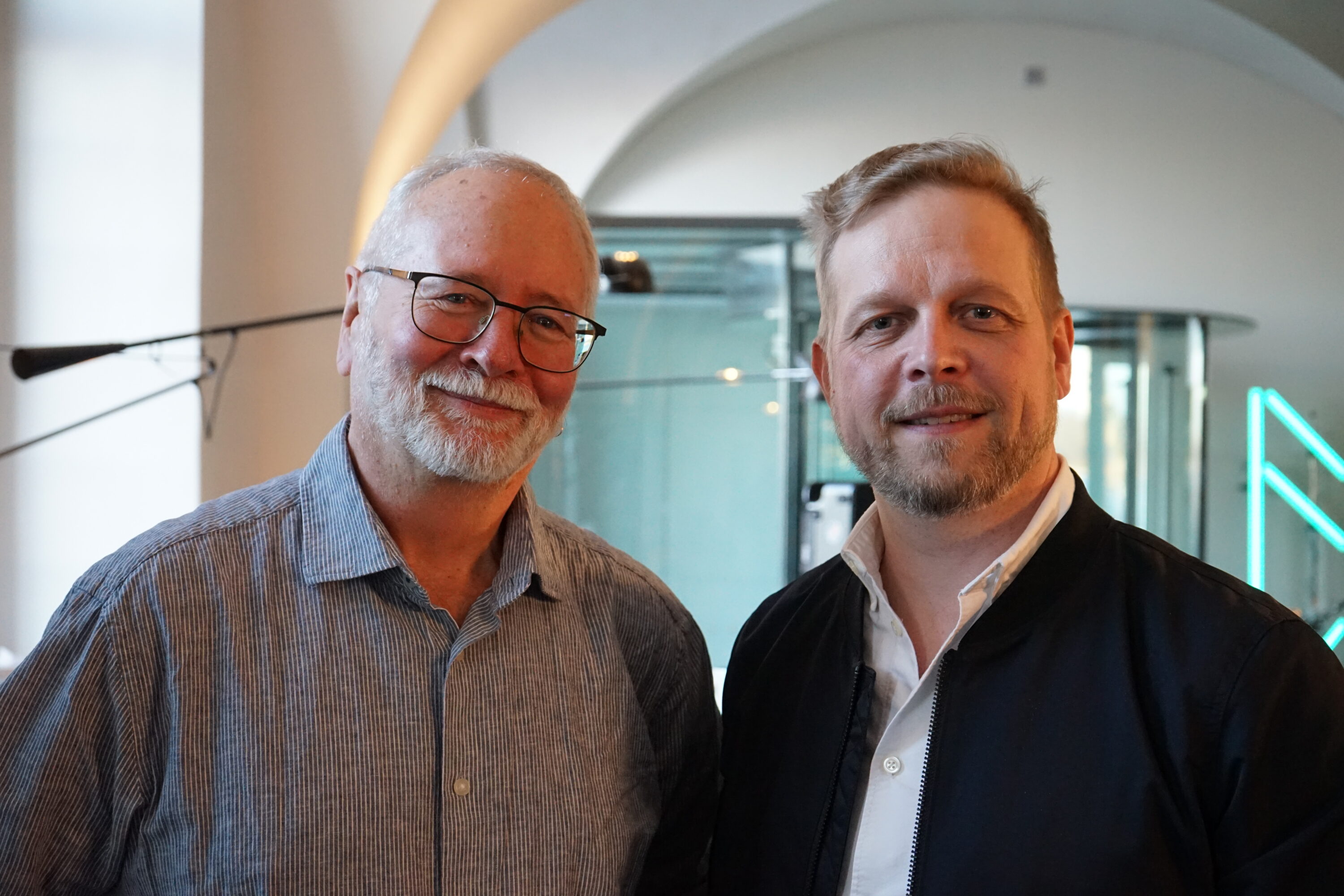
World famous cinematographer Sean Bobbitt BSC (”12 Years a Slave”, ”Judas and the Black Messiah”) was guest of honour when the first ever edition of the Nordic Cine Forum took place November 5th at the facilities of post production specialists The Chimney Pot in Stockholm Sweden. Organized by Camera Nordic AB in collaboration with the Scandinavian cinematographers’ societies FSF, FNF, FSC, DFF and WIFT-tech, and in partnership with Chimney Pot, this gathering brought together the Nordic cinematography community for a day of artistic exchange, technical innovation and collaboration. Of course having the event take place this late in the year was beneficial as well, since normally there aren’t massive amounts of productions up and running at this time. However, late autumn didn’t stop Stockholm from showing off its best side though, as the weather was exceptionally beautiful for the season with bright sunshine and clear blue skies. The international guests could not have hoped for a more beautiful day to visit ’The Venice of the North’, as the city is frequently referred to.
The very first panel discussion, enticingly called ”Bridging the gap” was capably moderated by FSF President Jon Rudberg FSF and featured Sean Bobbit BSC, John-Erling Holmenes Fredriksen FNF, Lisabi Fridell FSF and finally ARRI Senior Colourist Florian ‘Utsi’ Martin as panelists. The conversation centered on how we as cinematographers can collaborate with our colorist, while recognizing how widely our projects can vary in budget, time for pre-production and desired workflow.
Sean Bobbit is enjoying a long collaboration with his colourist Tom Poole, and relies on Poole’s expertise to make things work smoothly, often using a base LUT as a starting point and then modifying it to fit each new project he takes on. Tom Poole will also often tweak the rushes, so the well-known problem of editors and directors falling in love with an unfinished, and sometimes unwanted, look is minimized.
To your average Scandinavian DP however, the long term collaboration which Sean describes sounds like bit of a pipe dream as we often don’t know who will be grading our projects when we’re on set shooting them.
Lisabi Fridell often prefers to work with the available ARRI LUTs. She has been considering making her own, but time constraints and limited pre production often make it difficult. She also enjoys having the freedom to change her mind on set, and adapt to a location where the light behaves in a certain way.
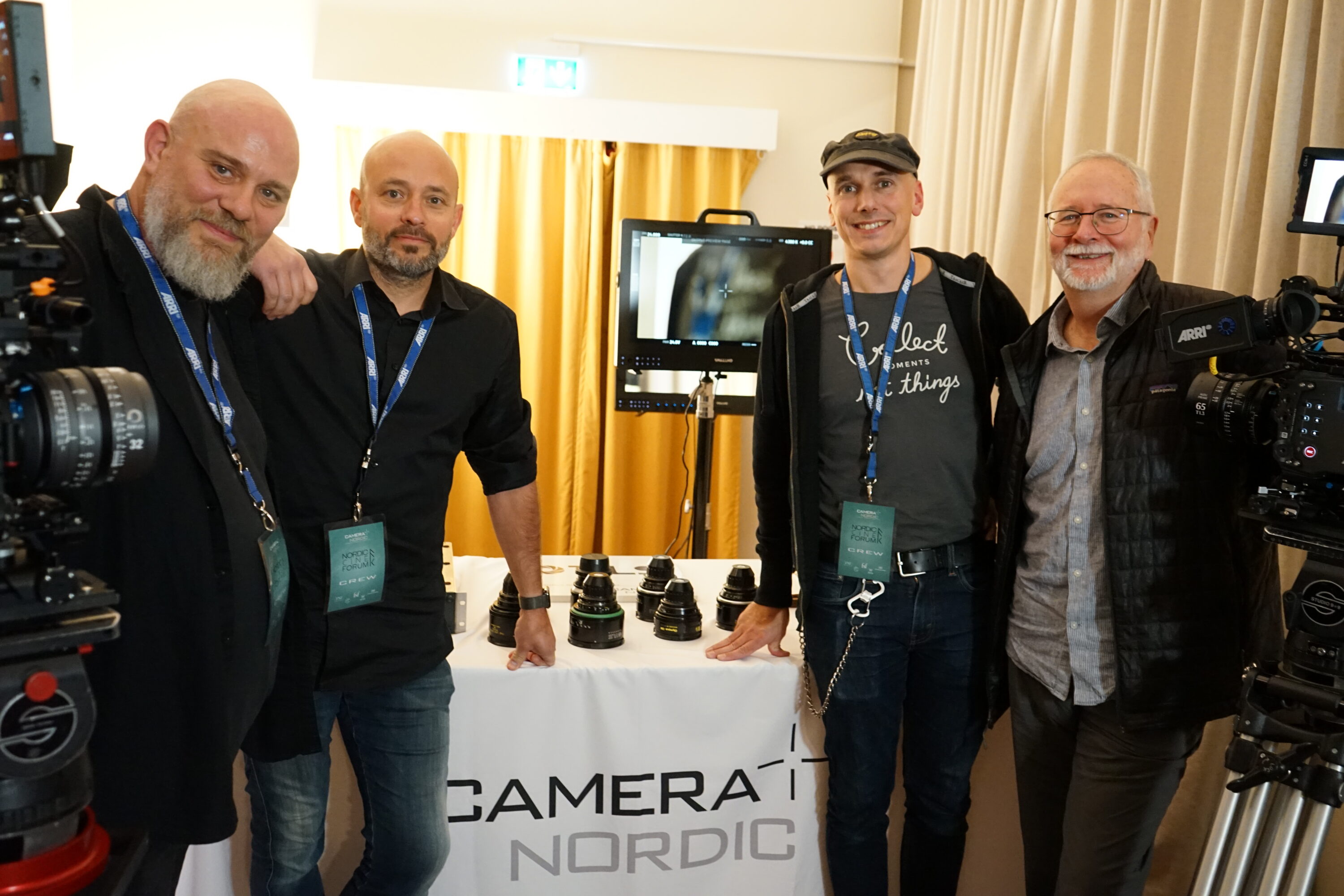
Control was a frequently used word during the discussion. John Erling brought up how our status has changed during his career. We as DPs used to be ”benevolent dictators” whose word was listened to and obeyed, and now we have become minor politicians in a democratic process. This of course brought laughs, but simply put today there are more decision-makers who have an opinion about what the films should look like. Crucial choices, like the grain of the film, can be made against our wishes. John Erling sees the colorist as one of his most valuable colleagues, equally as important as his gaffer.
Utsi stressed the paramount importance of having everyone on board as early as possible regarding the look of the project, as sometimes production executives can make the decision to scrap key ingredients to the look at a later stage, contrary to the wishes of the DoP and colourist -and sometimes even the director! He also added that we do grade our productions for the cinema -but then it also has to look good on an i-pad watched in glaring sunlight! The discussion was rounded off on a mirthful note when Jon Rudberg added that we all know what it feels like to watch one of our own films on our parents’ TV set!
It is then time for a light lunch consisting of delicious wraps and at the same time the exhibition floor is officially declared open. A special exhibition room, as well as the Chimney Pot courtyard, have been prepared for the occasion, offering everyone the opportunity to explore the latest camera, lens and lighting equipment. ARRI have on display their ALEXA 35 Xtreme, ALEXA 35 Live, Ensō lenses and Cforce MAX, other brands present are Nikon/RED, Sigma and Creative Solutions inc.
Having met Sean Bobbitt briefly a few times at the BSC Expo over the years, I thanked him for graciously agreeing to be the special guest star at this inaugural edition of the Nordic Cine Forum. ”Oh I was delighted to be invited”, Sean beamed, ”I’m currently at the tail end of a production, we do pick ups in a volume setting now, so I wasn’t terribly tied up. It’s wonderful to be in this room full of Scandinavian cinematographers!”
Well time flies when you’re having fun and before we all know it, it’s time for the second panel discussion of the day, ”Modern Leadership – Crew Well-Being & Management on Set”, and this one -for a number of reasons- really resonated with the audience.
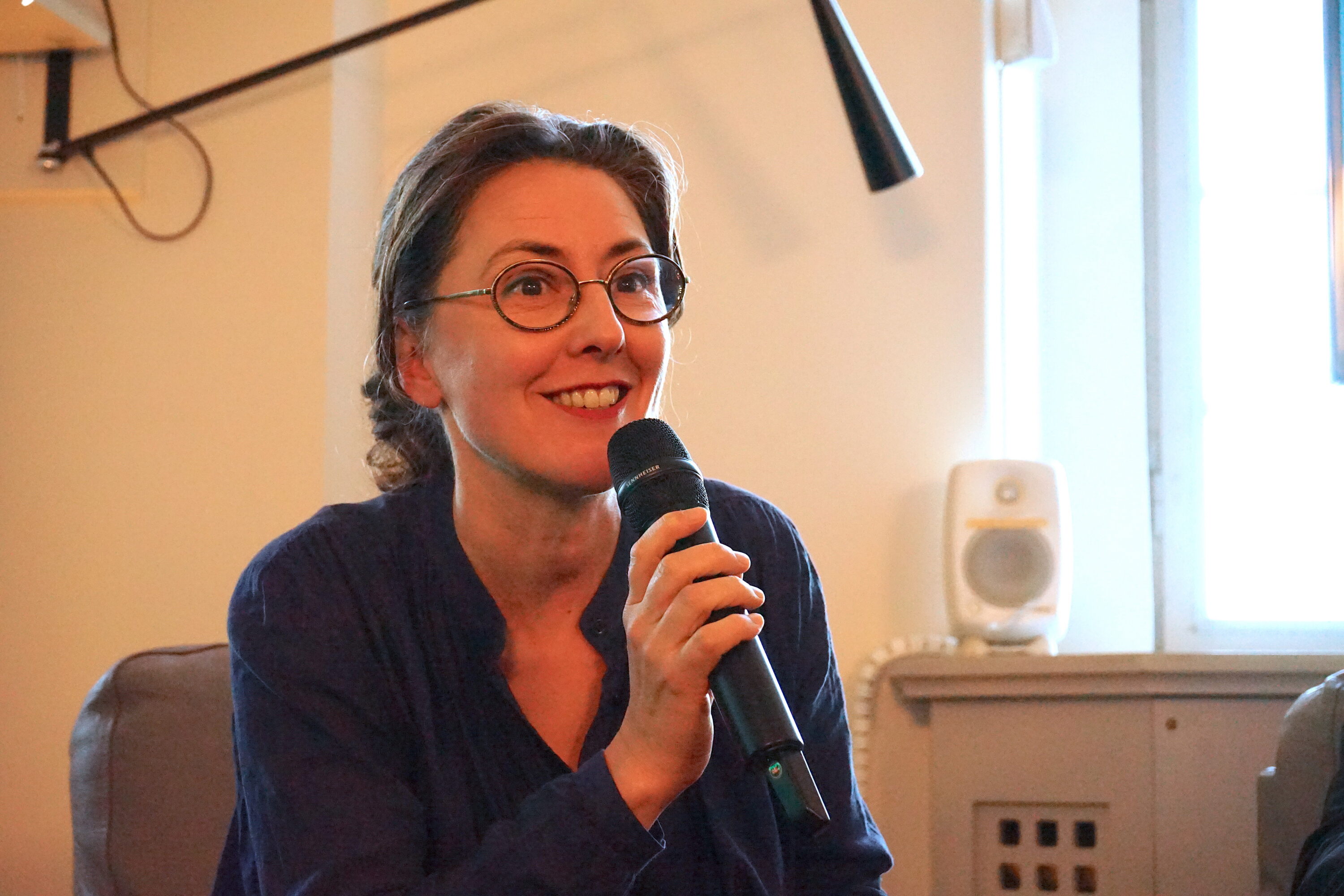
On stage are Sean Bobbitt, Rauno Ronkainen FSC, Anssi Leino FSC and Sophie Winqvist FSF. The conversation is quite lively and very capably moderated by WIFT-tech’s Alejandra Zarazúa.
”To me, leadership is about protection”, Sean states, ”and as head of a department I am responsible for my crew’s wellbeing and I act accordingly. My number one priority is: no one gets injured. When I was starting out as a cameraman I was working in war zones, so I’ve seen horrible things and I don’t ever want to see any of that on the set of a feature film”.
”As cinematographers we can end up in a crossfire sometimes”, Anssi Leino chimes in, ”because we have a responsibility for our crew, but we are not ourselves employers”.
Everyone has a clear idea of what constitutes good leadership, but what about its polar opposite?
”Bad leadership is when s**t trickles down”, Alejandra notes, and the panelists nod approvingly.
”I start every production the same way”, Sean explains, ”We have a meeting at the back of the lighting truck, and I explain to my crew that if they have any problem at all, come to me, I will be looking after them. If the production is giving them trouble, they come to me. I start every day by shaking the hand of all my crew members and I end my days by thanking my crew one by one and check that they’re okay. This way, nothing goes on in the background, it all goes through me. And I NEVER bother the Director with it. He or she has enough problems as it is”.
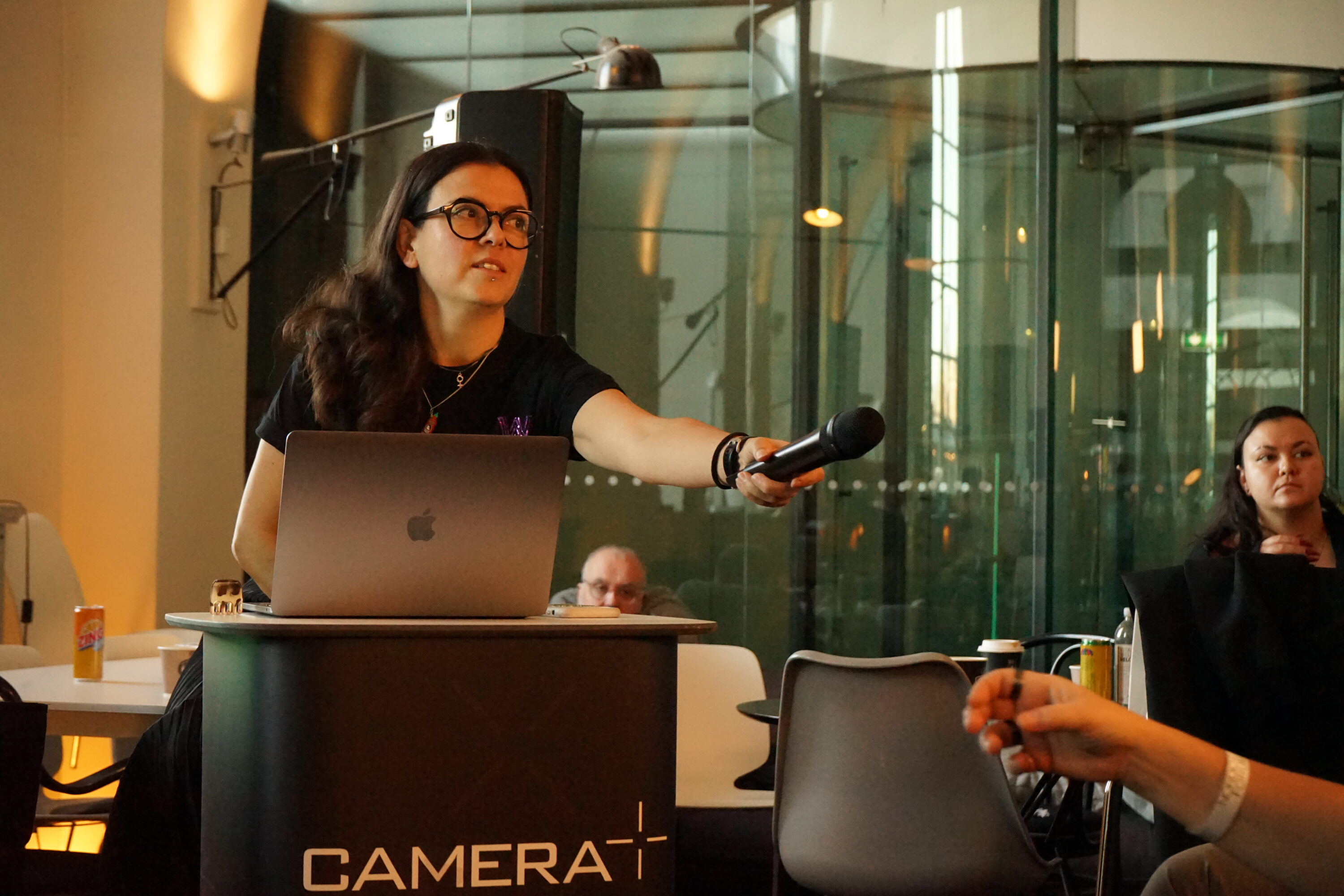
Alejandra has another good question to the panelists, ”do you hire for skill or personality?”
”I would go further than calling it hiring, I would even call it casting”, Anssi offers. ”Skill is a given, but I look for personality, I like low-key people, silent and effective. Age group diversity is important to me, I recently hired a focus puller who is 73 years old, we worked on my first film when I was starting out”.
Raino brings up the wider ramifications of hiring, ”actors sometimes want to know ’who’s gonna be grip or gaffer”, he explains, ”because they’re close to the actors all the time”.
”An all male crew can get pretty testosterone intense”, Sean notes, ”a better diversity will make things calmer. We often spend more time with our crews than with our family. I will pick my 1st AC and trust that person to then hire 2nd AC and whoever else is needed for support around the camera. Having to fire people is the worst thing you can experience as a DP, so stay calm and de-conflict, you can’t afford to let things escalate because when they do, communication breaks down”.
”I hire for energy”, Sophie offers. ”I want a crew that are not only my ’comfort zone people’, but I also want to invite new ones and allow them to grow, let my operator be second unit DP sometimes, allow them to grow, mentor them”.
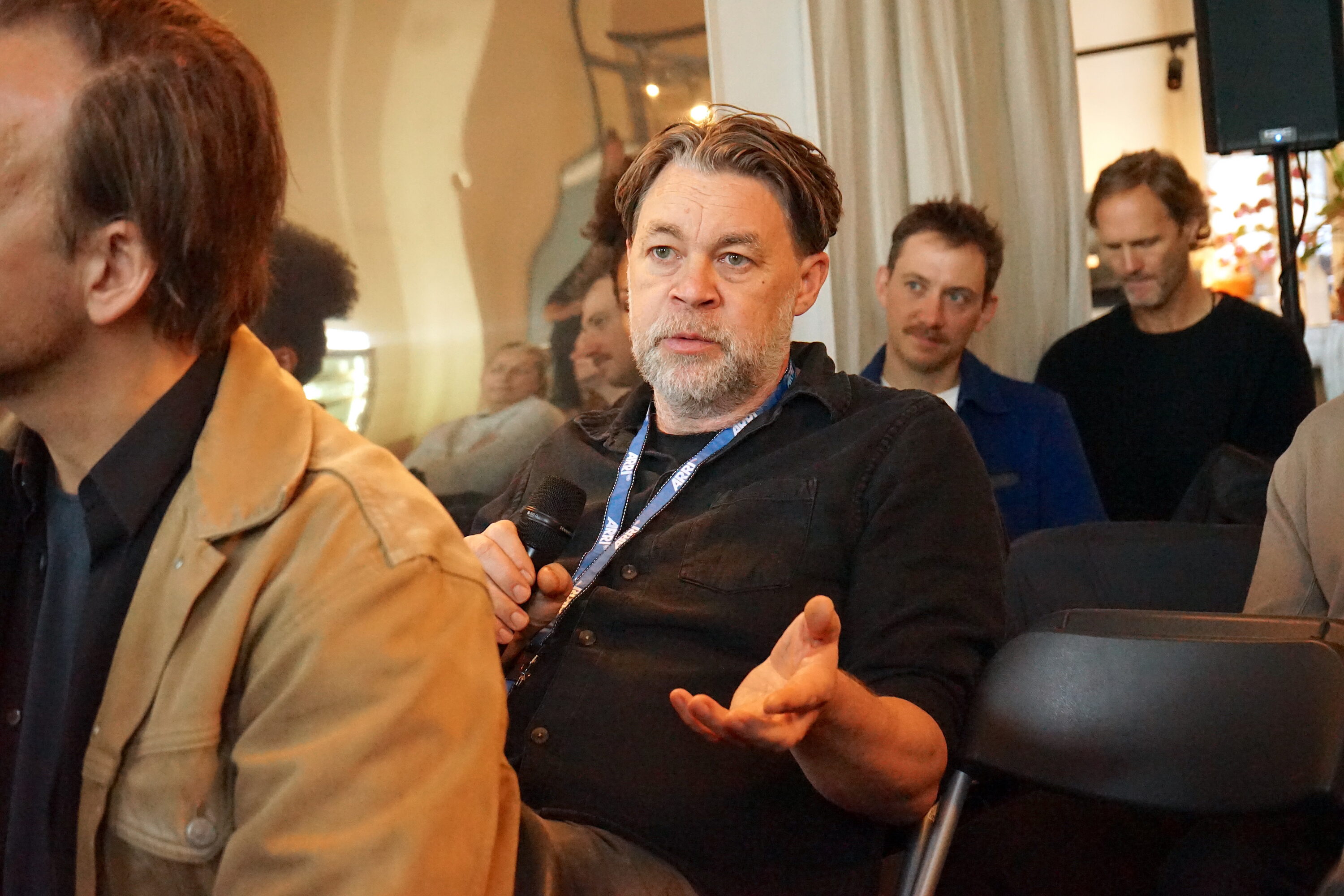
A really good question is posed from the audience: ”How about US?” And indeed, what if WE, as cinematographers, find ourselves in the crosshairs of a conflict?
And the panelists go silent for a beat, ”you got me”, Anssi admits. Because the truth is, as Sean offers ”we’re on our own. You bite the bullet”. Clearly this topic touches a nerve, and the panelists agree that having a wife, husband or loved one you can call and talk to is really the only safety valve there is for a DP.
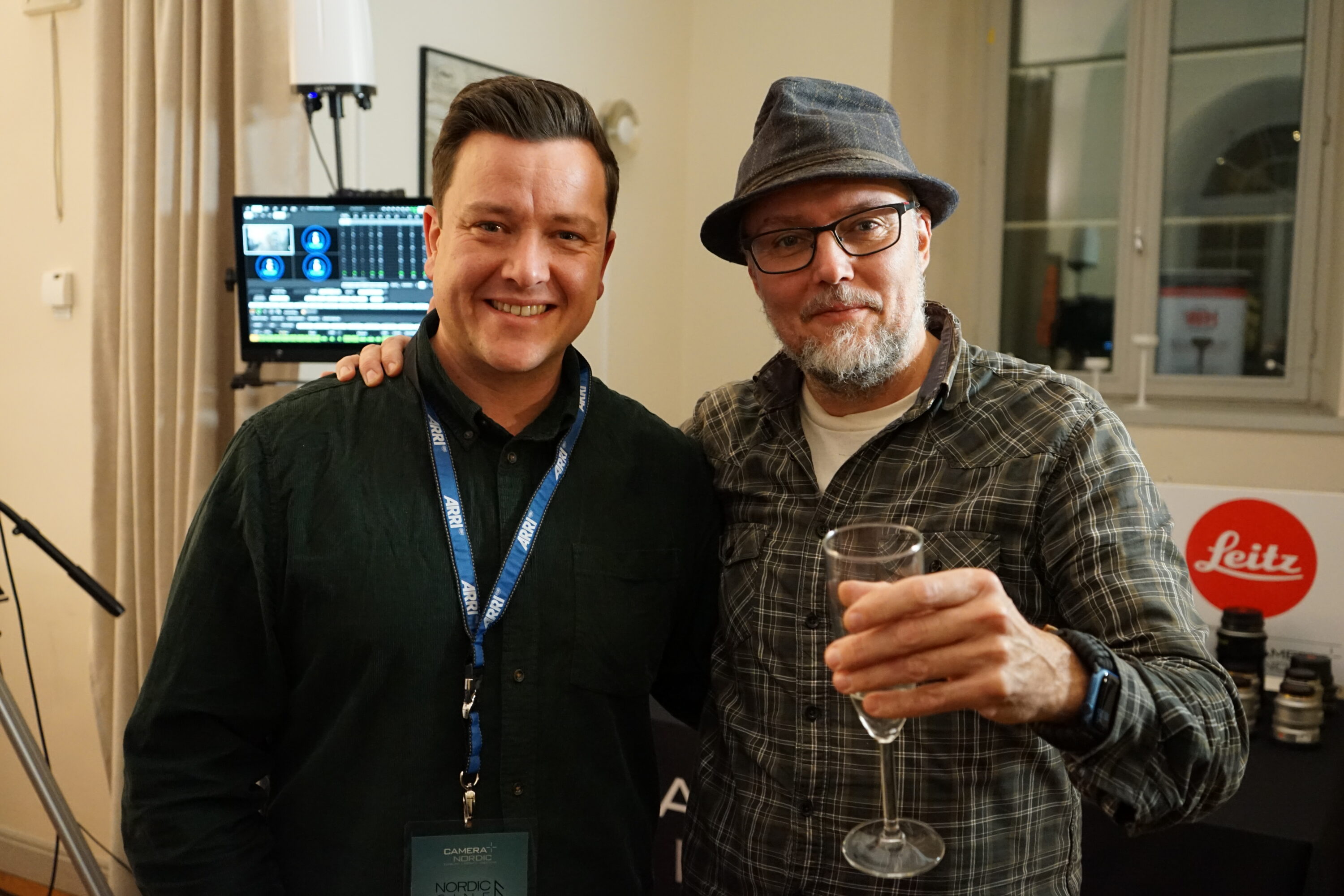
With this sobering thought lingering on our minds we all get an opportunity to stretch our legs a bit and grab a coffee, since there’s a scheduled break in the program here. I stroll around some more in the exhibition room and wind up having a chat with Sam Thornley from Creative Solutions inc, who has a nice selection of SmallHD monitors on display. I learn that they offer a wide range of support for seamless monitoring on film sets around the world, from small affordable on-camera displays to 32-inch 4K reference monitors.
The third scheduled installment: ”Big Budget vs Nordic Indie. Constraint, Creativity and Visual Identity” is about to begin and we all return to our seats as the panelists enter the stage. They are Malin Gutke FSF, Cecille Semec FNF and Sophie Winqvist FSF, and the conversation is presented by WIFT-tech and moderated by FNF President Ole Andreas Grøntvedt.
So, the question is: do shrinking prep windows and tightening budgets force Nordic DPs to compromise, or do these constraints actually push us toward greater artistic originality and leaner innovation? I’m inclined to agree with the latter proposition as the speakers recount their experiences working on shoots in Scandinavia but also other parts of the world, like South Africa, offering various tips on how to achieve an appealing look while still working on a limited budget.
Sophie Winqvist clarifies that basically all Nordic productions are modestly budgeted by international standards, and offers an amusing example of when she worked on a Brad Pitt commercial which had a budget that would rival what’s spent on many Scandinavian entire feature films. Cecille Semec explains that one way of increasing the impression of production value in the final film, is to grab the opportunity when sunlight briefly does something amazing with a location. It will only last for a brief moment, but to re-create it with physical lighting rigs would have been prohibitively expensive, and it will look equally impressive to the audience.
On a side note, it did say on the invitation ”Drinks, Music & Mingle”, but some guests in the auditorium seem to embrace the invitation to mingle a little too wholeheartedly -as the crowd chattering in the background by the bar sometimes drown out the voices of the panelists on stage! Every time they were asked to please calm down they did so -but only for a minute or so. I guess the upside is that everyone was enjoying themselves a lot.
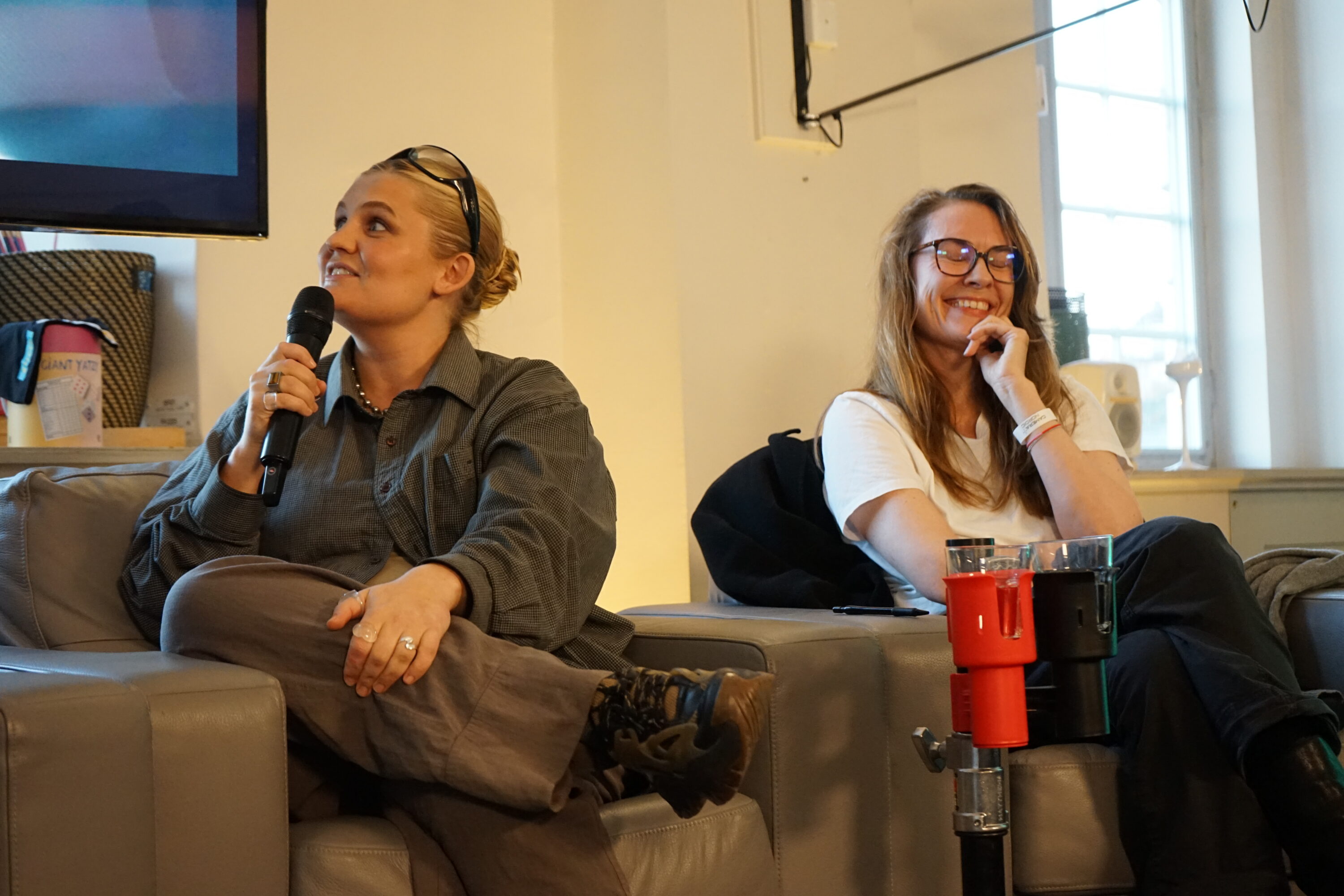
Malin Gutke has shot a great deal of shorts and music videos on celluloid, a great way of adding production value at modest cost. ”Shooting on film isn’t necessarily that much more expensive”, she muses. Rounding off the conversation, Cecille Semec regrets that she started working as a DP immediately after graduating from Film School. She would have liked to work up the ranks in order to be able to study other DPs in action on shoots, to learn from them.
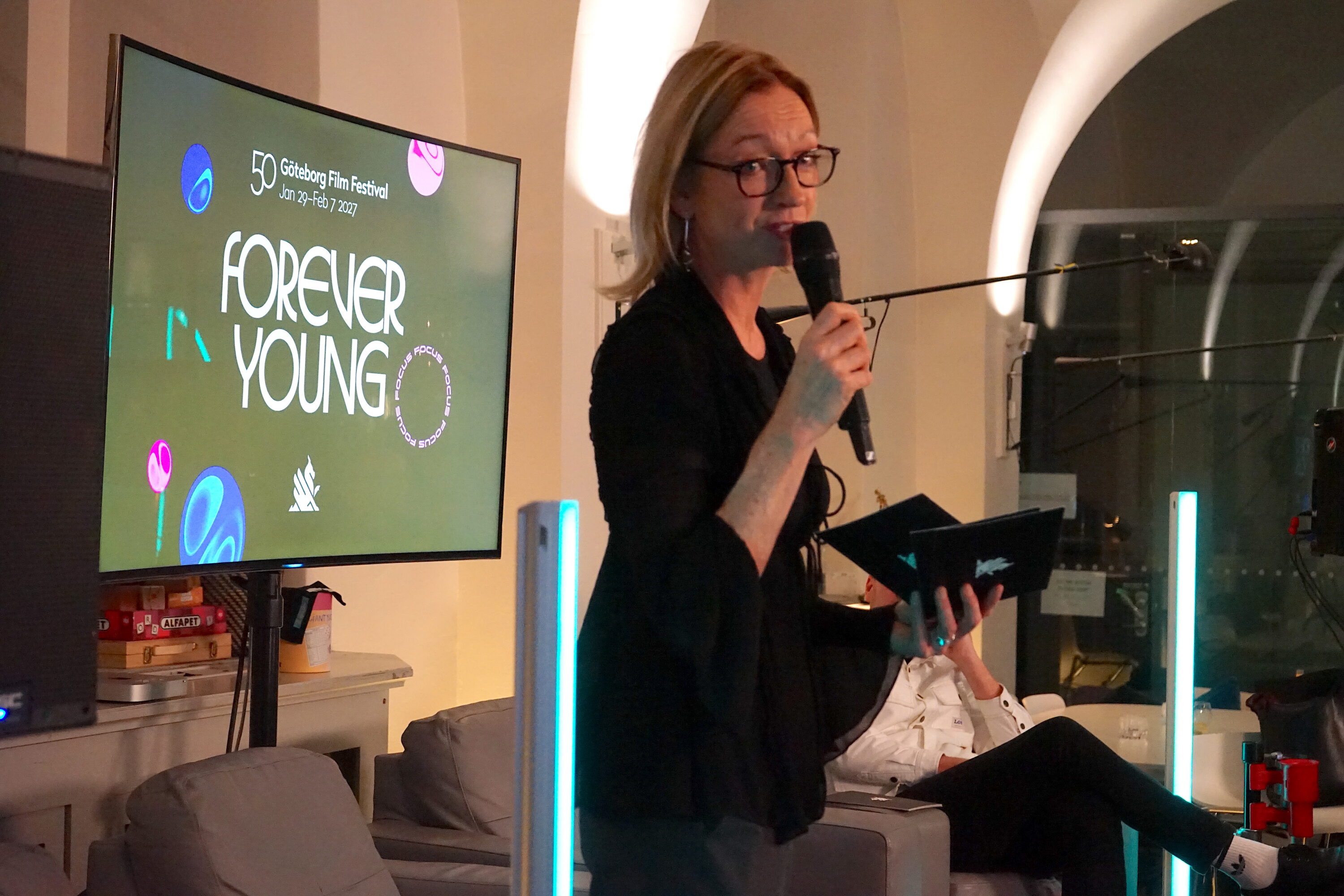
A well deserved round of applause ends this inspiring panel discussion, and then the guests are treated to a last-minute addition to the program, as representatives from the Gothenburg Film Festival enter the stage. Headed by Festival CEO Kristina Colliander and Kim Nilsson, the delegation gives a presentation focussing on the upcoming edition January 27th – February 7th 2027, which will actually also commemorate the festival’s 50th anniversary! Themes planned for the occasion include ”Midnight Mania” and ”Forever Young”, the latter a selection centered on films celebrating youth, but also titles featuring individuals refusing to grow up. The Gothenburg Film Festival has a mighty sponsor in that Campari have chosen to support them. The brand was represented here by Jonas Gustafsson and they’re no strangers to film festivals as they already back up the Cannes, Venice and other huge festivals around the world.
The presentations were followed by evening drinks, music, nibbles and mingling to cap off the event, and a big advantage to the more modest size of the Nordic Cine Forum is that there isn’t a fleet of huge trucks waiting to be loaded up when the thing wraps, like at the BSC Expo for instance.
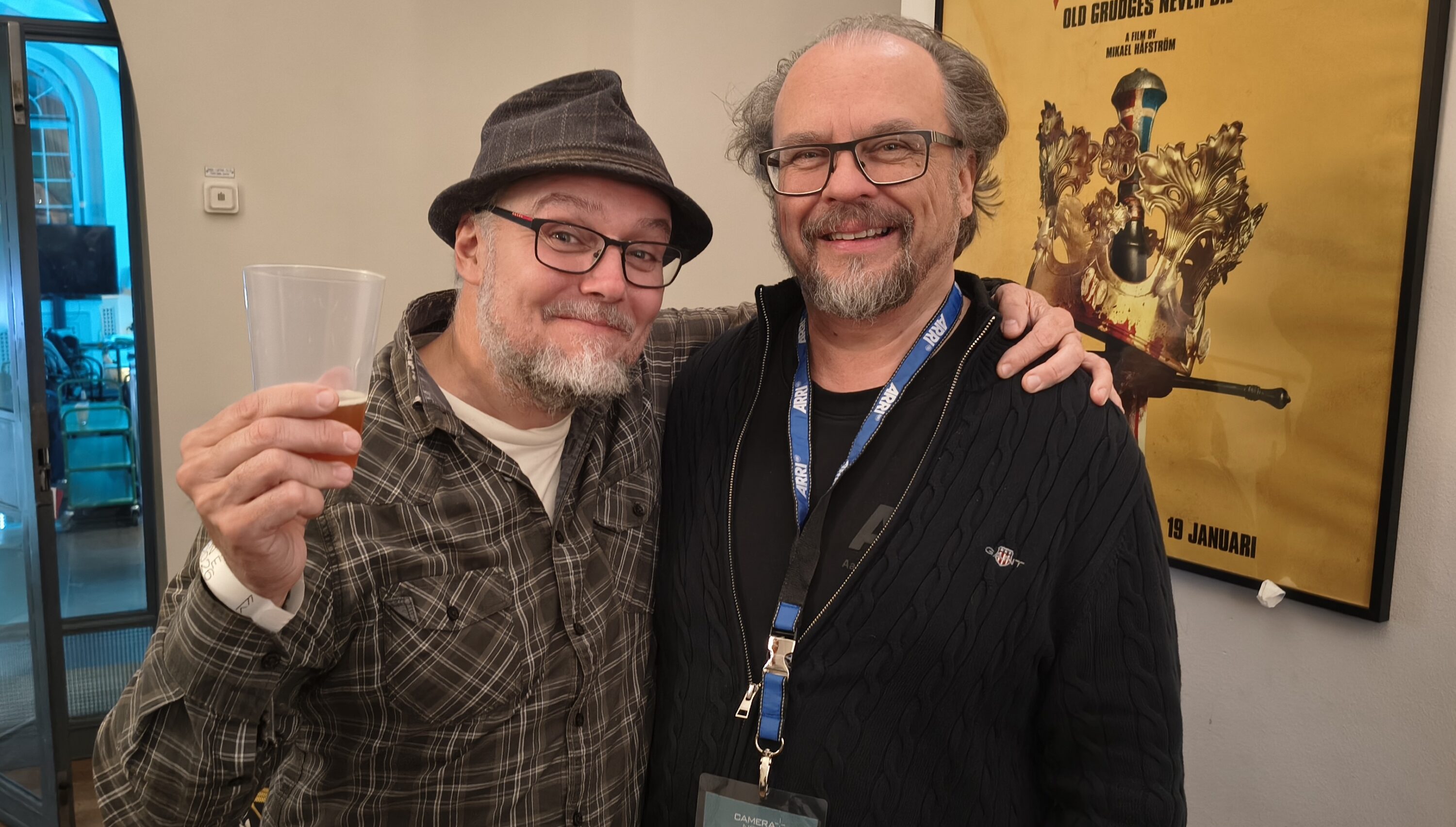
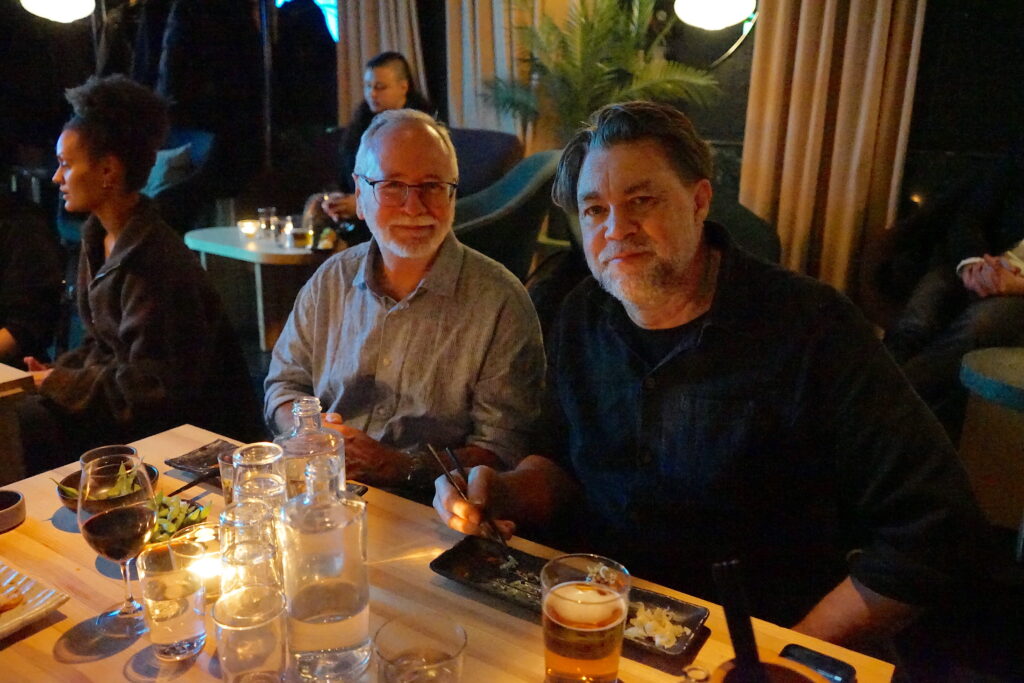
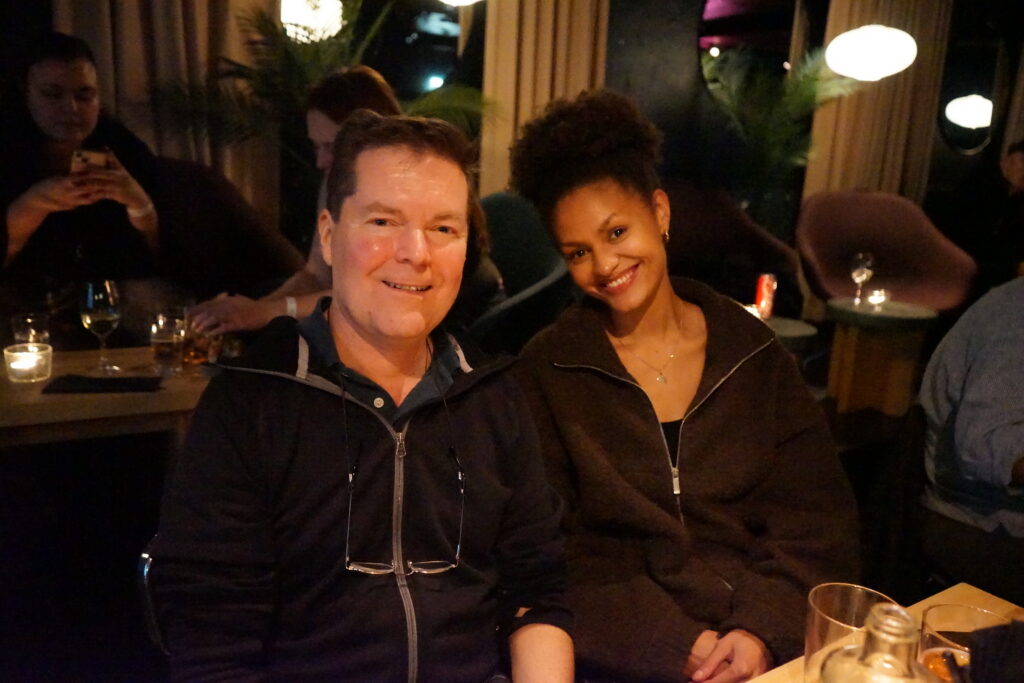
However, for a significant portion of the attendants the evening was far from over, as we transitioned to the FSF evening get-together held at the Barbro restaurant, a bar so named because it’s situated under one of Stockholm’s most prominent bridges… and bridge is ”bro” in Swedish, so a play on words there. Headlining that event was cinematographer Ellinor Hallin FSF, who primarily identifies as a documentary cinematographer. Her work includes films such as ”Filmen om Siw” and ”Riddaren på Strandvägen” and she was nominated for a Guldbagge Award for Best Cinematography for her work on ”In i dimman” and ”Kören”. She occasionally -and very successfully- also ventures into drama productions that call for a documentary-style aesthetic. Examples include Lukas Moodysson’s series ”Gösta” and the feature film ”Tillsammans 99”.
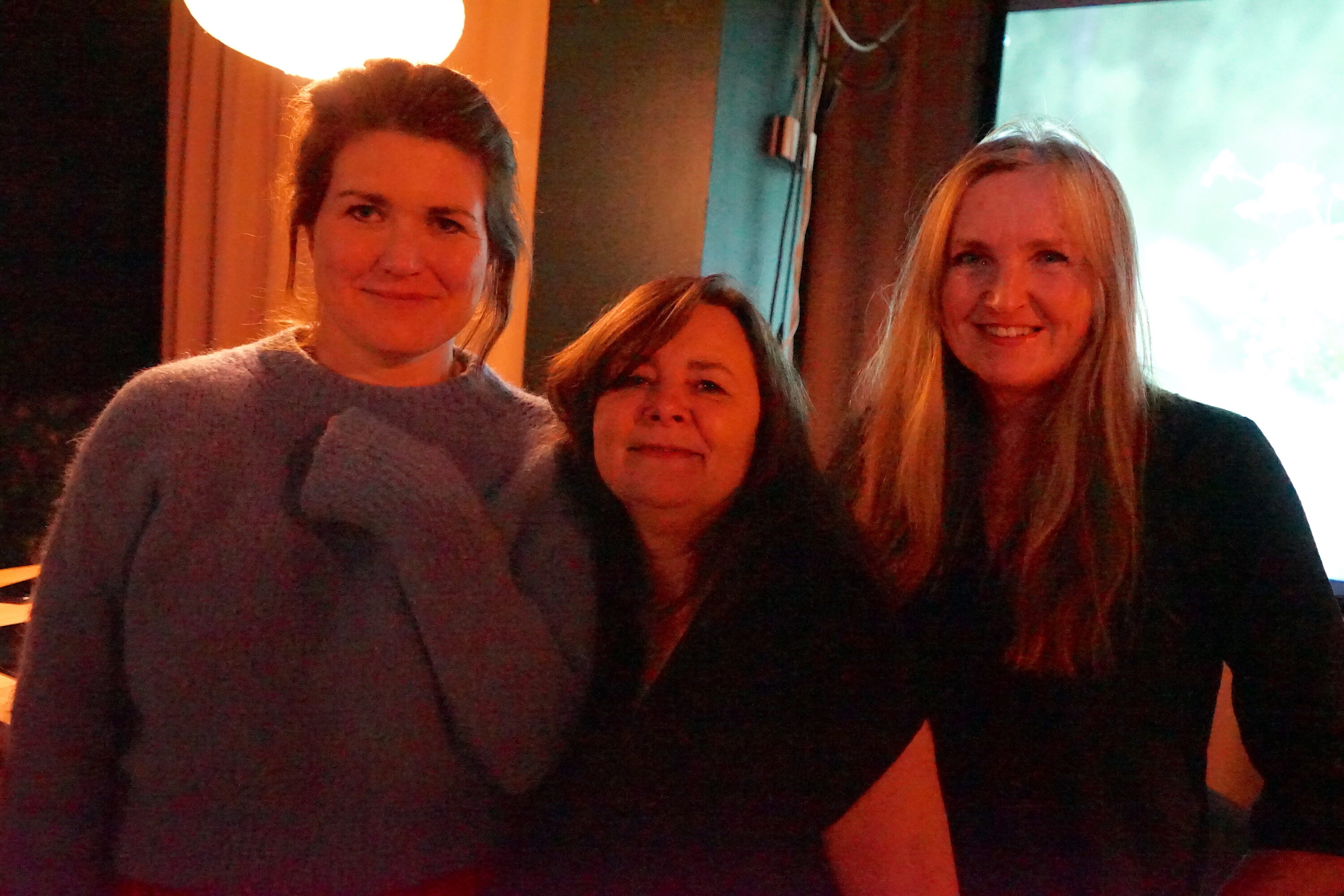
Well, close to ten hours worth of Nordic Cine Forum flies by remarkably quickly, and when chatting away merrily at the Barbro restaurant we draw close to the finish line, there is a special electricity in the air, as so many of us have planes or trains to catch back home the next day. Mercifully, those of us who are locals can simply stroll out in the chilly Stockholm evening, admiring the glittering cityscape against the winter sky as we make our way home.
Lars Pettersson FSF & Charlotta Tengroth FSF
Senaste 5 nyheterna
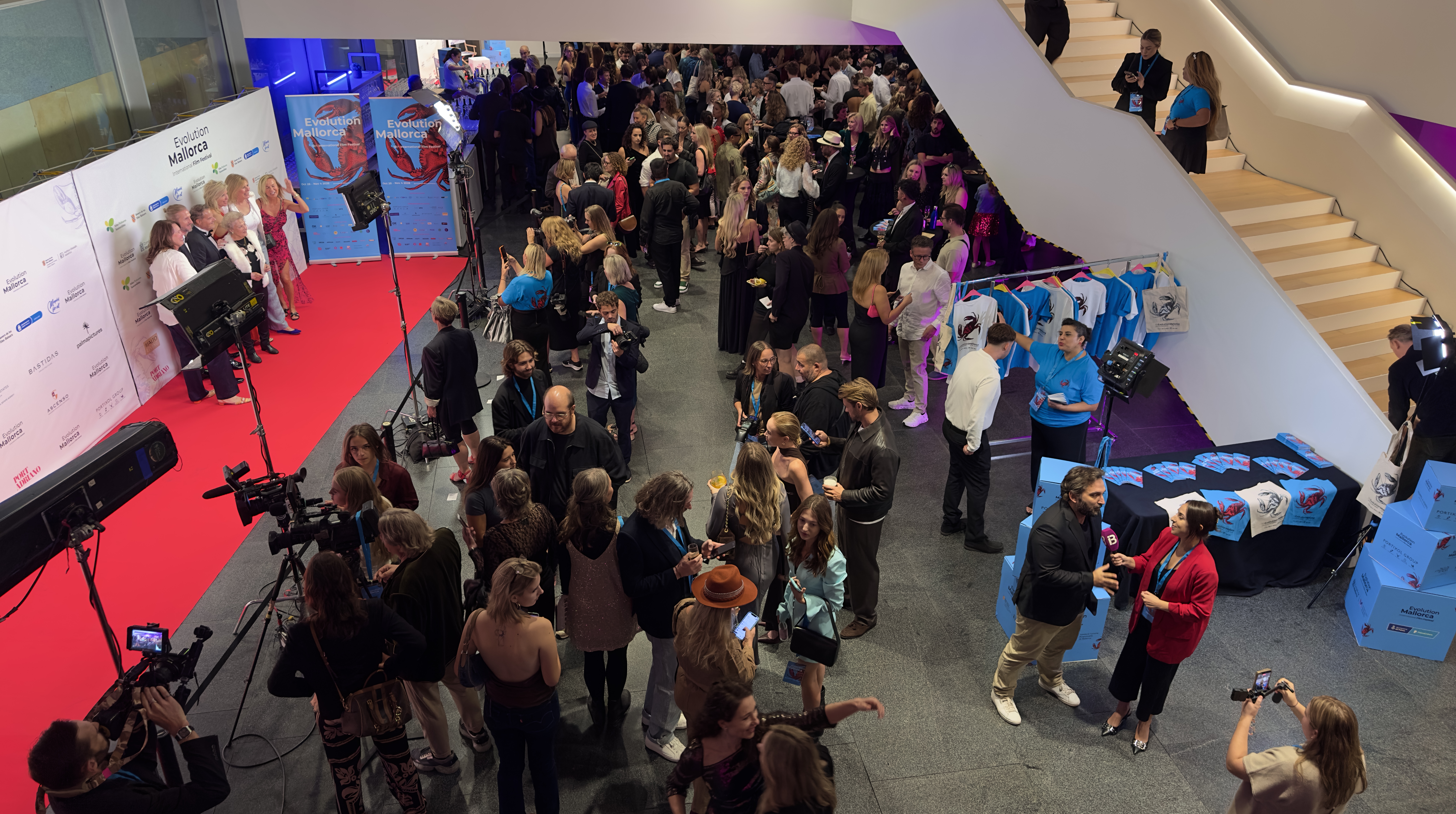
EMIFF 2026 – inspirerande dagar med fokus på filmfoto
Årets Evolution Mallorca International Film Festival blev en oerhört inspirerande upplevelse. Framförallt Cinematography Focus, med dagar fyllda av paneler, workshops, filmvisningar och många givande samtal med filmfotografer och andra kreatörer.
Cinematography Focus arrangerades för femte året i rad 28–30 oktober. Från FSF var även Lars Herrmann och Eric Börjesson på plats. Det fanns mycket att ta del av, men framförallt var det roligt att träffa kollegor, både lokala och besökande från andra delar av världen.
Skönt också att komma ifrån det svenska höstmörkret och regnet. Vädret på Mallorca var strålande, åtminstone de få minuter man var ute mellan biosalongerna!
Läs mer…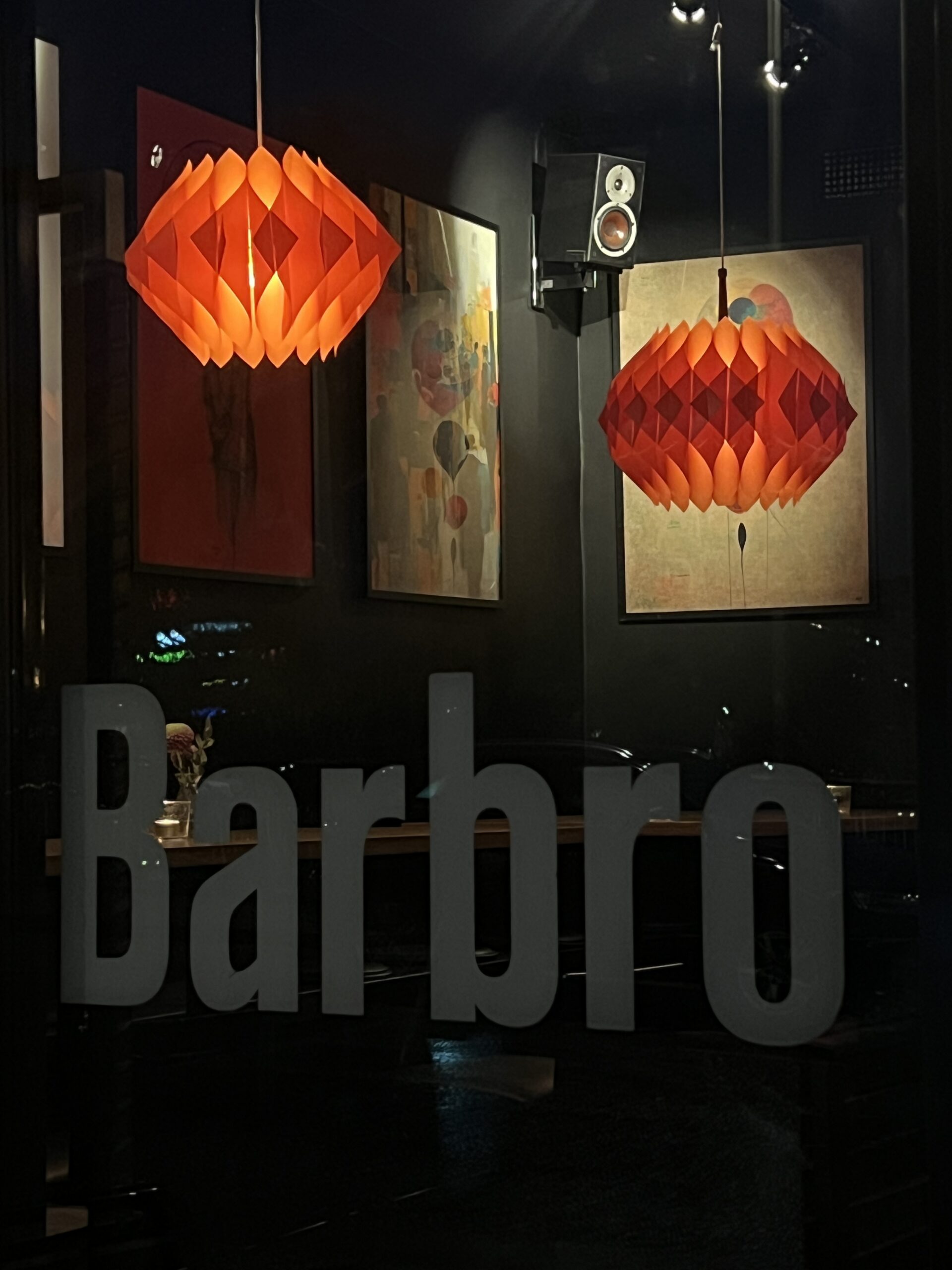
Glöggmingel med FSF tisdagen 1:a december kl. 18
Dags att hålla liv i en gammal finfin jultradition inom FSF, förfira innan julen är på ingång med dina filmarvänner och kollegorna inom FSF. Vi ses för att dricka glögg, och prata innan julen sveper med oss alla i ett totalt julkaos!
Varmt välkomna till årets GLÖGGMINGEL 2026, vi ses på Barbros tisdagen 1:a december kl. 18.00.
Vi öppnar dörrarna från kl. 18 för mingel, glögg, pepparkakor och skumtomtar.
Vi uppskattar fortfarande klubben som en trevlig mötesplats för oss medlemmar och ni får gärna äta middag först, vilket gagnar både klubben och FSF:s ekonomi.
FSF bjuder på glögg, skumtomtar och pepparkakor. Kom och mingla, ät och drick gott och förfira in julen med dina kollegor!
Varmt välkomna hälsar hela FSF:s styrelse.
Ansvarig för kvällen och vid frågor kontakta:
Ewa Cederstam
För vägbeskrivning:
www.bar-bro.se
Invitation – Nordic Cine Forum 2026
Connecting the Nordic Cinematography Community
5 November 10:00-19:00
Chimney Pot
WELCOME!
We’re thrilled to invite you to the first Nordic Cine Forum! A space for the Nordic cinematography community, organised by Camera Nordic and in collaboration with FSF (Swedish Society of Cinematographers), FNF (Norwegian Society of Cinematographers), FSC (Finnish Society of Cinematographers), DFF (Danish Society of Cinematographers) and WIFT-tech (Collective of Women+ working behind the camera), in partnership with Chimney Pot.
Läs mer…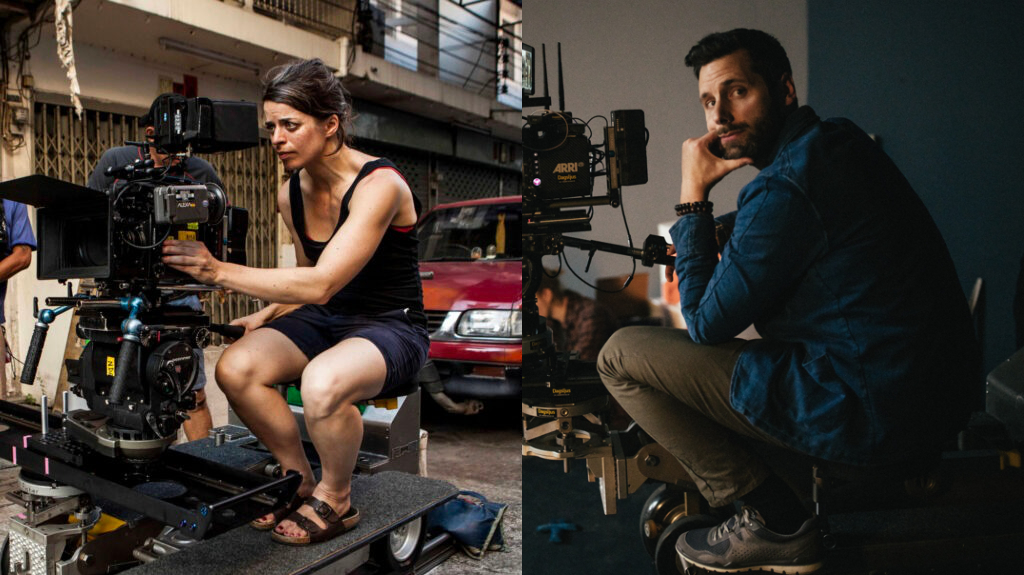
Ragna Jorming och Kenneth Ishii gästar FSF klubbträff Göteborg den 26/11 i ett samtal med oss medlemmar
Varmt välkomna till FSF klubbträff Göteborg torsdagen den 26 november.
Vi önskar bjuda in till en öppen dialog om filmfotografiets betydelse, vad vi inspireras av, vad vi drömde om och varför vi fortsätter sträva efter det perfekta filmprojektet. Kom och var med och skapa den här kvällen tillsammans med oss!
Vi hoppas på ett givande möte där alla medlemmar som vill deltar i dialogen. Vi lär känna varandra bättre och inspireras av varandra. Ragna Jorming och Kenneth Ishii kommer att inleda och ta upp några diskussionsämnen, och sedan går dialogen vidare runt bordet.
Läs mer…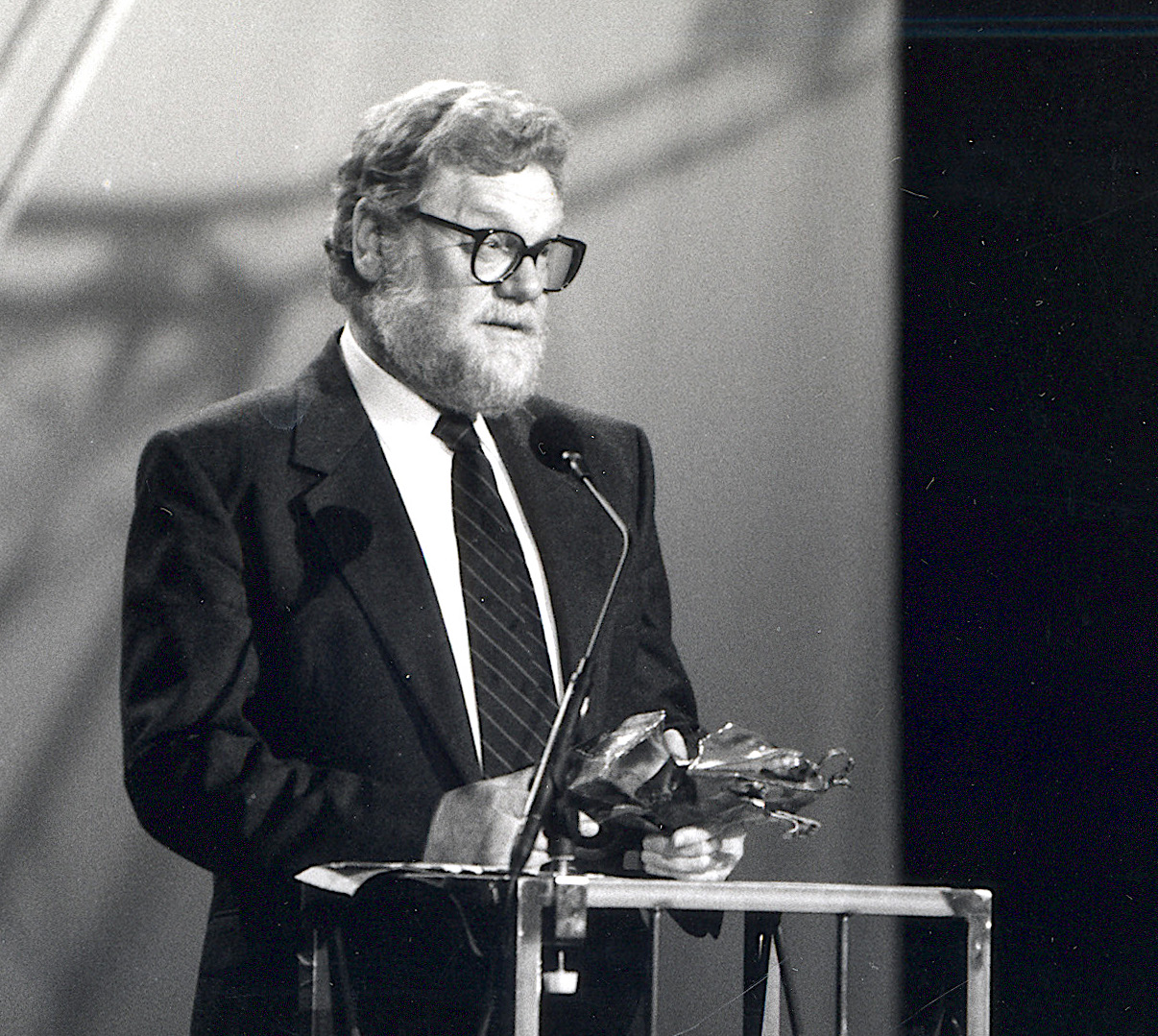
Tony Forsberg har gått bort
Filmfotografen Tony Forsberg, en av FSFs grundare och under många år föreningens ordförande, har nyligen lämnat oss, 93 år gammal. Närmast anhöriga är barnen Anton, Markus & Sanna med familjer. Tony Forsberg var, tillsammans med Jörgen Persson och Janne Lindeström, något av svenskt filmfotos Grand Old Man, och att skriva några kortfattade minnesord om Tonys liv och gärning inom svensk och internationell film, är en nästan omöjlig utmaning.
Läs mer…