ODCC 2025
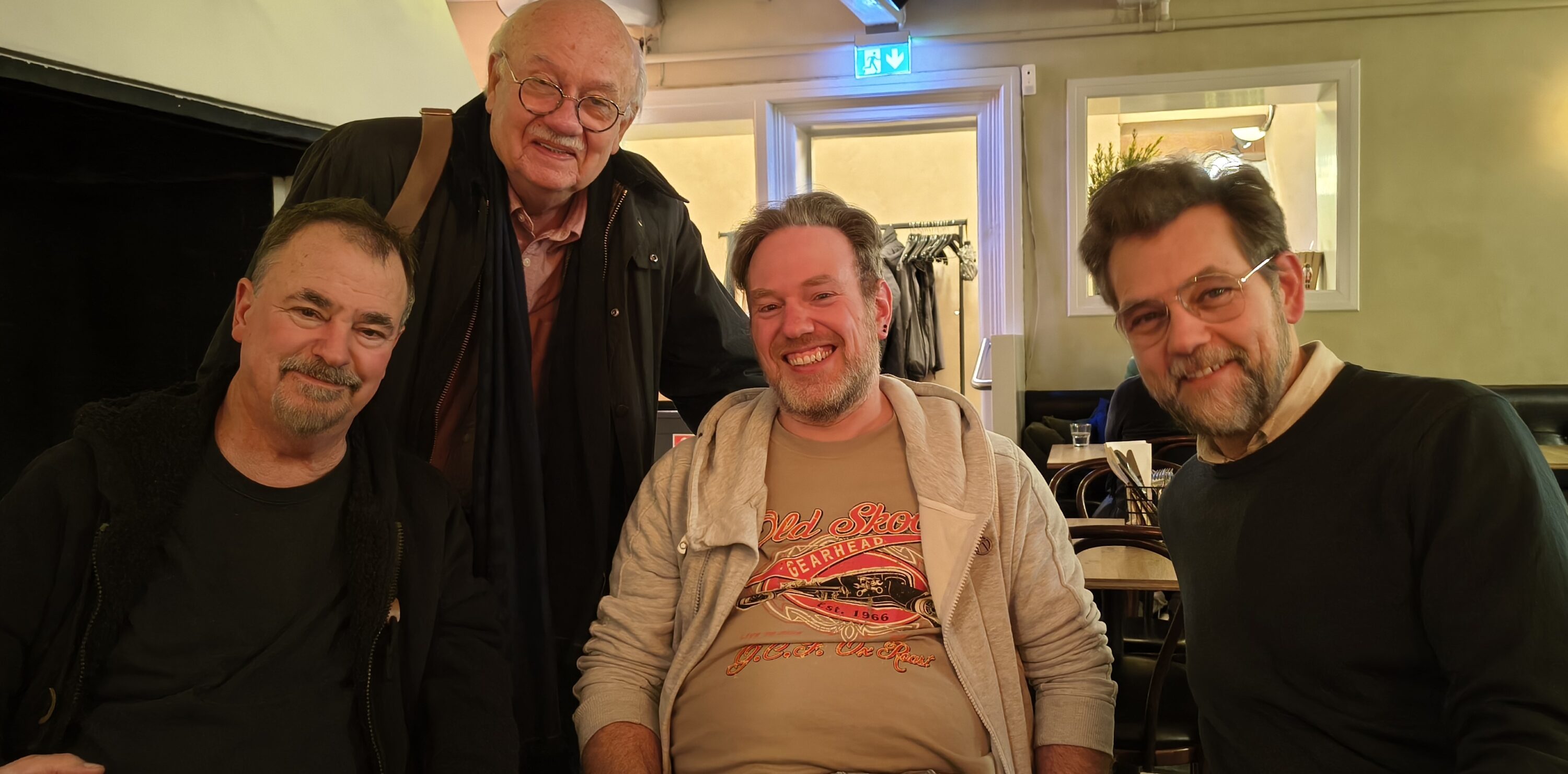
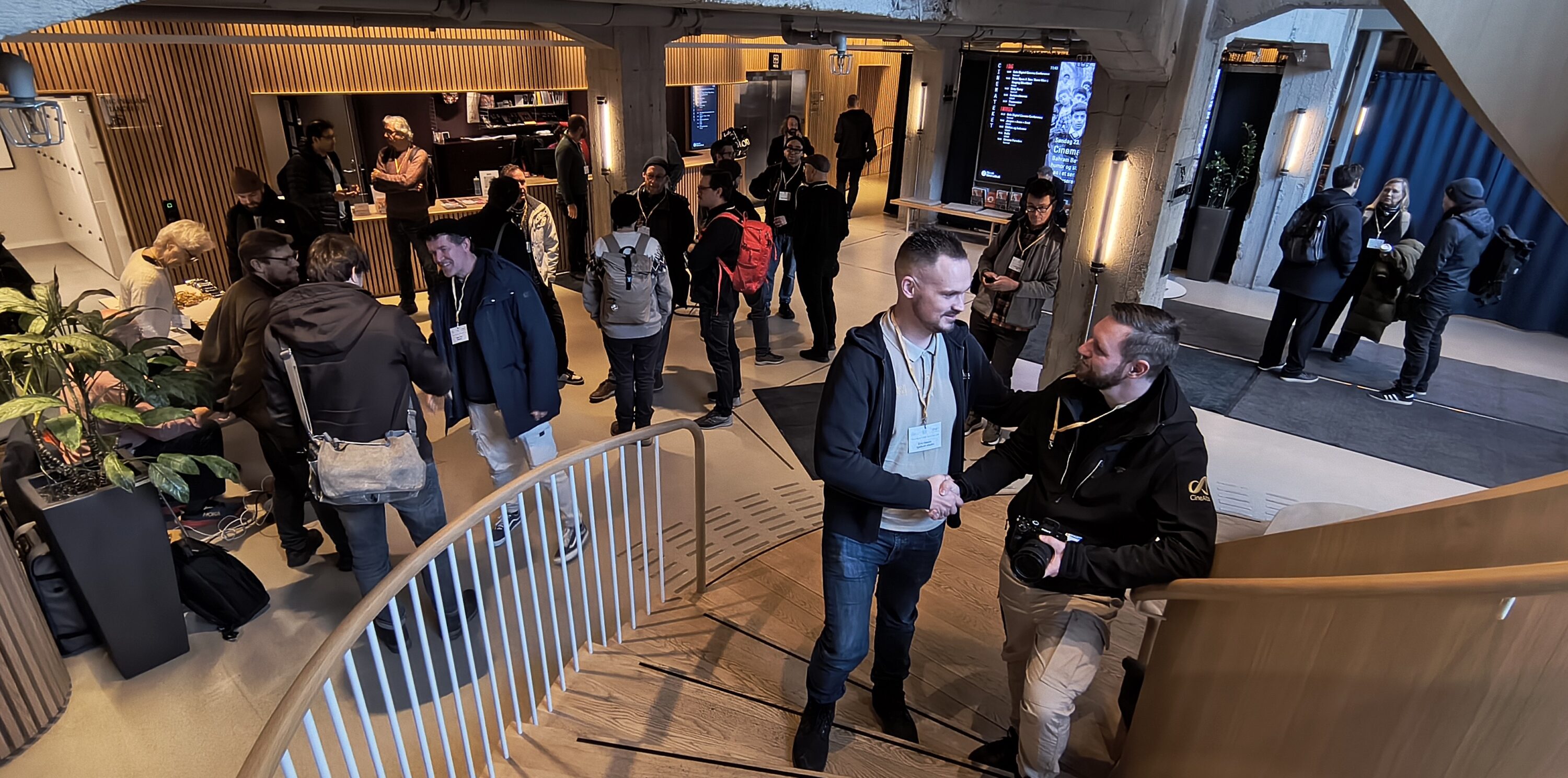
The ninth edition of the Oslo Digital Cinema Conference (or simply the ODCC for short) focused on the extremely timely and highly relevant topic of Artificial Intelligence and the impact it may have on the motion picture business. Held at the Norwegian Film Institute in Oslo during the weekend between the 21st and 23rd of November, the Conference gathered about 120 participants who were treated to no fewer than a whopping 21 presentations by international experts in the field. The ODCC is a collaboration between the Norwegian Society of Cinematographers FNF, the Norwegian Film Institute, IMAGO, Nordisk Film & TV Fond as well as the Swedish (FSF) and Danish (DFF) Societies of Cinematographers.
ODCC’s own Commander-in-Chief, Paul René Roestad FNF, has arranged this event biannually since 2006, although with a regrettable but necessary four year hiatus in the early 2020s because of the pandemic.
The proceedings started on Friday with FNF’s young and energetic President Ole Andreas Grøntvedt FNF introducing the whole event, greeting everyone welcome, and declaring the 9th ODCC officially up-and-running.
Miga Bär, workflow consultant and also member of the IMAGO Technical Committee (ITC), gave the first lecture on the programme, called ”Artificial Intelligence & Machine learning: One person’s utopia is another person’s dystopia”. And his thesis is simple: ”Ideally, as filmmakers, we want AI to do ’our laundry and dishes’”, he offers, ”We don’t want AI to make us unemployed, we want it to help us focus on creative tasks”. And he continues to prove that generative AI can take care of a lot of the drudgery for us by giving examples how, for instance, routine preproduction chores can be sped up using AI.
Next followed ”Checking in on AI in 2025 – What can it do for us?” In which Daniele Siragusano, Image engineer at FilmLight, and visual effects legend David Stump ASC BVK investigated the current state of affairs with AI and machine-learning-assisted tools and how they integrate into the filmmakers’ workflow. And Daniele’s lack of respect for this new kind of software is refreshing. ”I don’t like calling it AI”, he explains, ”because this kind of software has no clue about anything, it’s just emulating stuff”. But Daniele demonstrates how impressively this new technology can create very high-quality rotoscoping and traveling mattes in Baselight in order for you to work on your color grading. You want the background behind this wildly dancing person one stop darker? No problem, Baselight instantly creates a traveling matte to allow you to grade the background only.
Tony Costa AIP and Dave Stump then demonstrated a very ambitious Virtual Production project they recently conducted at Lusofona University in Lisbon, where Tony is also head of the cinematography department. They used AI to generate pre-viz sequences of the planned car shots and then carried them out for real in the studio with a LED wall and two actors in a car. The presentation was very instructive, and it turns out there are numerous pitfalls when trying to shoot this kind of sequence, ranging from the LED wall’s inability to accurately display certain colours to how bad stitching can catastrophically mess up your background plates.
After a coffee break, it’s then time for four presentations in a row, starting with AI Specialist Jan Christian Frugård who, under the headline ”AI: What lies ahead?” speculated about where this trend will be taking us. A key takeaway was his saying ”AI is never going to be worse than it is today -unfortunately”, meaning the AI software improves not year-to-year but month-to-month. Jan Christian Frugård speculates where this could lead us: ”when you can take any 2D image and make it into a convincing 3D scene”, he explains ”you will have the ability to offer the audience multiple versions of a film. Say the audience wants to go with another character than the main one? AI could create that content for you”.
The first of the three remaining Friday presentations was ”Artificial Intelligence in Practical Post”. Christian Wieberg-Nielsen, Senior colorist at Storyline Studios AS demonstrated how AI can be put to good use on footage shot by human cinematographers particularly in two fields, upscaling and colorization. The demonstration clearly shows that AI will colorize black & white footage very well, but those won’t be the colors that were there in reality to begin with. And it’s dangerous, because AI will happily add details, like totally new faces etc. You need to give the AI a lot of negative prompts, like ”not six fingers” etc and it will work better if the prompt is in Mandarin Chinese! But Christian Wieberg-Nielsen sums up his experience so far as ”If you really want a certain effect in your film you are better off planning for it from the start. The AI will do okay zombie faces, for instance, but it would have looked better if prosthetics were made and used on set”.
Daniele Siragusano then returned, and with a lecture called ”Contrast Gain Control in the context of grading motion pictures” he caught the audience’s interest by explaining how -since we adapt to brightness, contrast and optical blur- our visual system fools us when you cut from one image to another. There are plenty of ’Flashed face distorsion effect’ videos on youtube for those who want to delve further into this area.
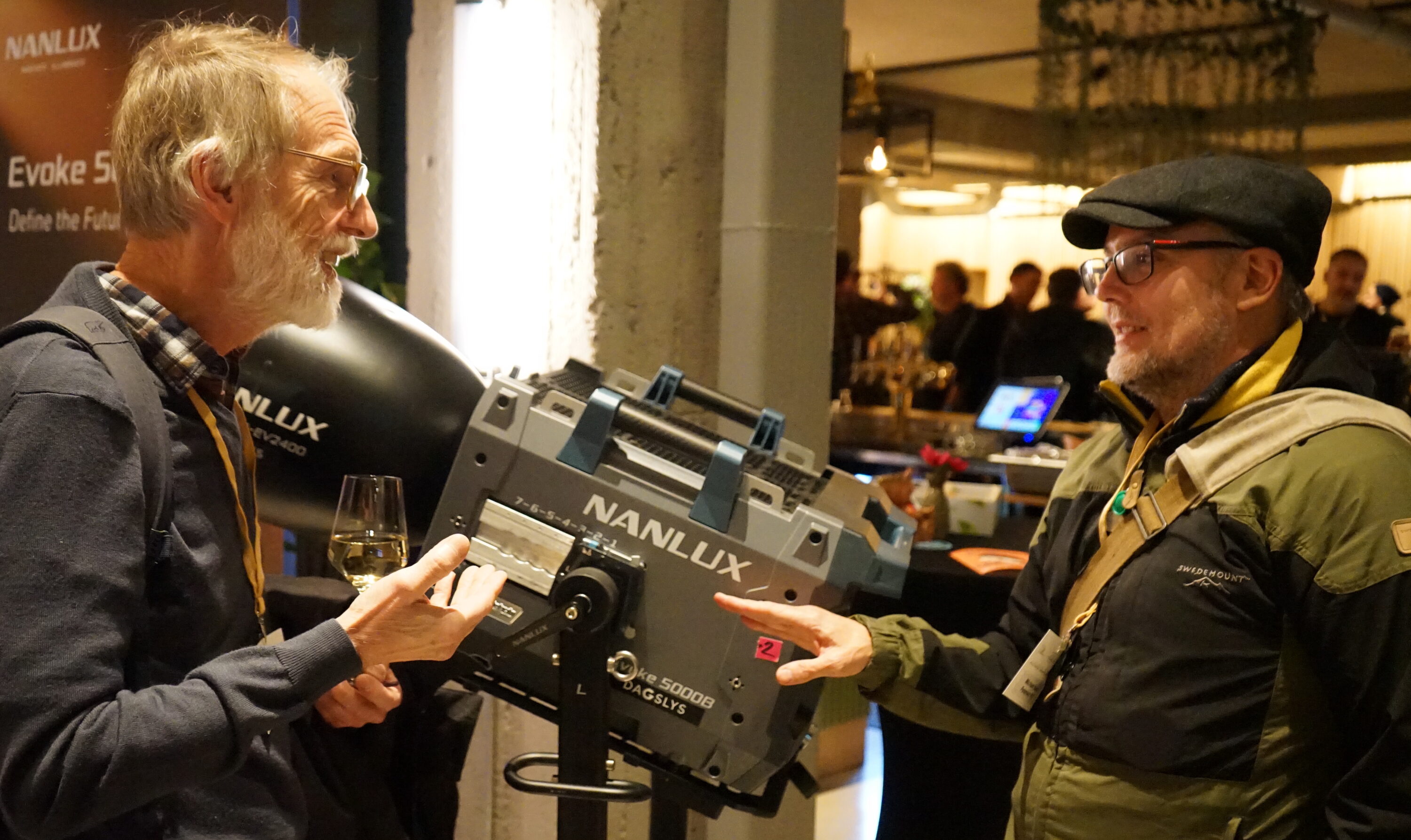
Sony was represented by Daniel Listh and with the presentation ”What is cooking at Sony?” he enlightened us about what’s on both the front and back burners in Sony’s kitchen. And one thing’s for sure, they remain as enamoured in Italian geography as ever before, as is demonstrated by their VERONA and CAPRI LED panels, Sony’s highest level LED panels and budget version respectively.
The day was rounded off with a social gathering and drinks in the foyer outside the cinema, followed by a wonderful dinner at nearby Mamma Pizza restaurant. No cigar for guessing what ’cuisine’ they specialize in…
Saturday began with a lecture from NASA veteran Charles Poynton, PhD, called ”Noise performance of modern cinema cameras”. Dr Poynton is a walking encyclopedia of knowledge and we learn a lot about noise in digital cinema cameras. For instance, the photons that will eventually create your image carry noise with them before they’ve even entered your camera!
Next on the program is a Masterclass featuring cinematographer Marko Mladenovic SAS and his colorist Goran Todoric in a discussion very capably moderated by Daniel Listh, in which they recount the challenges of shooting the TV series ”Vreme Smrti” which is based on a series of books about Serbia during the First World War. The production was shot under grueling circumstances in remote off the grid locations where there was no WiFi or cellular connection. Equipment breakdown would have meant losing tons of time, as it would take hours to go to the nearest city of any size. Marko Mladenovic used the VENICE 2 in 6K mode with Super 35 lenses and strove to slow things down on the set in order to be able to maintain quality in the work done. ”The production might go from 5 pages per day to 10 pages per day”, he recalls, ”and I was stubborn in forcing the production to go at a slower pace, because we didn’t want to end up with results looking like a soap opera”.
After lunch we are treated to yet another Masterclass, this time on the theme ”Fusing the old and the new: From analogue to AI – balancing art and technique” and featuring John-Erling Holmenes Fredriksen FNF.
The two key elements of John-Erling’s Masterclass are cutting-edge AI-based solutions to make things easier on a production, and the 120-day shoot of the TV-series ”Makta” which takes place in Norwegian corridors of political power in 1974.
Among the examples of the cutting-edge solutions John-Erling employs on his projects is a software he has developed himself which assists in prepping and shooting a movie: moodboards, floor plans, shot lists etc, everything pertaining to the project can be gathered in this cloud-based software for instant access during production.
Another one of John-Erling’s bold and brilliant ideas came about when the heroine in the World War Two drama ”Narvik, Hitler’s first defeat” (2022) needed to have a coat of a certain green hue and it was very difficult to find cloth that photographed right. So they ended up making a coat of chroma-green cloth, which looked horrible to the eye on set, but photographed well and could be tweaked from scene to scene so it could be subdued in close up or intense in a wide shot to help the audience find her quickly.
The TV-series ”Makta” finally, was a major analogue throwback for the cinematographer. ”It’s set in 1974 and I wanted to shoot it on super-16”, he explains. ”We also made tests on Mini-DV, the way Anthony Dodd Mantle used it on ”28 Days later”. It helped us a lot because NRK suddenly felt super-16 sounded great! All lab work was done at Cinelab in London. You can make digital look like film if you have a reference -so it’s easiest to just shoot on film. Film also creates focus and discipline on set, and if I don’t know 100% what it’s going to look like I find I make bolder decisions on set”.
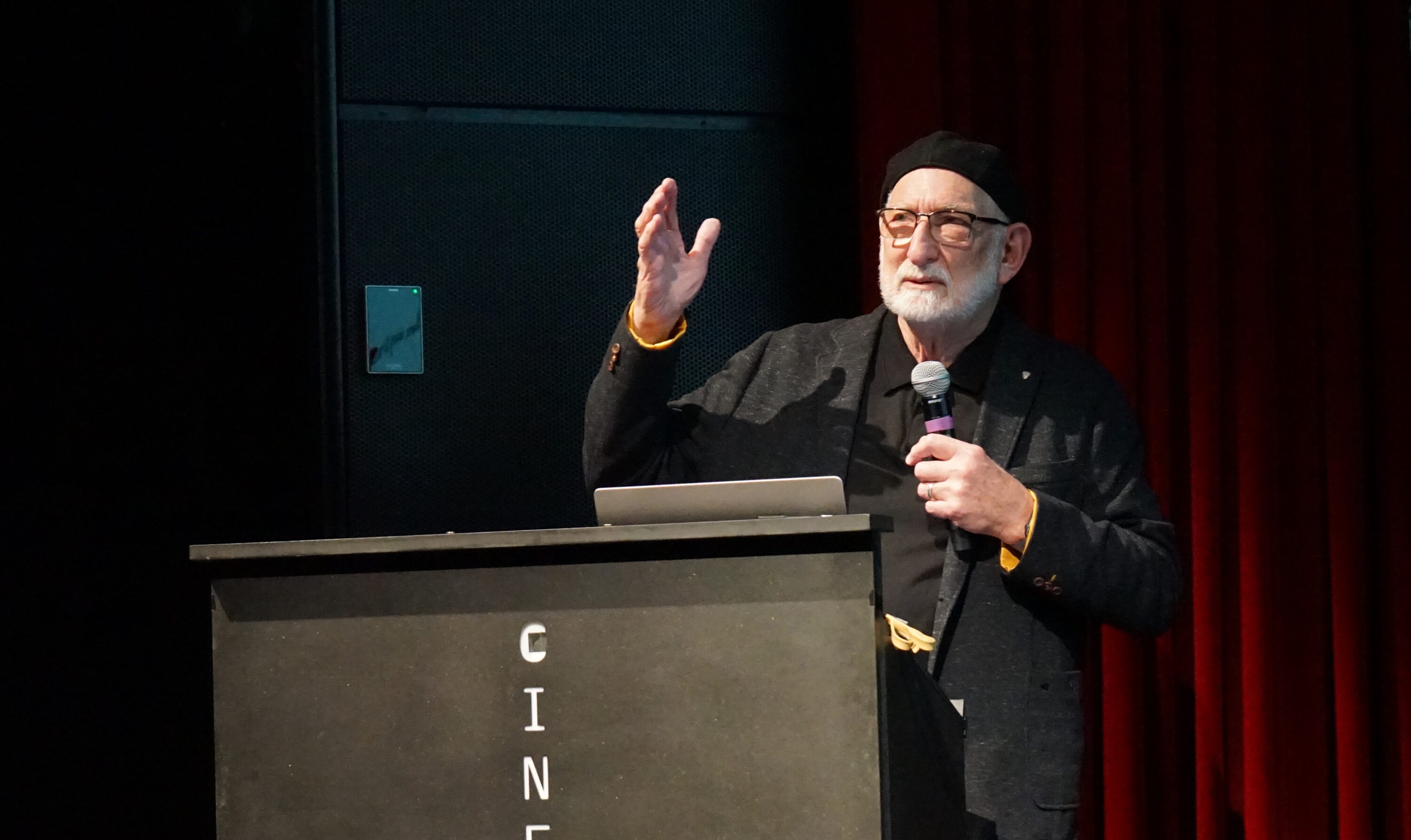
”You need to be the best informed person on the set!” That is the simple yet powerful advice Stephen Lighthill ASC tells his cinematography students at the American Film Institute. In his lecture called ”How does Artificial Intelligence influence film education in general and cinematography education in particular?” he gave a survey of what the current situation looks like, and although some aspects remain nebulous, such as what the actual business model for Generative AI is at the moment, others are clear, such as that AI is a powerful tool for pre-viz. But there remain huge ethical problems with how AI uses enormous amounts of copyrighted material.
The afternoon continued very promisingly with a panel discussion called ”The Creative Triangle: Relationship between Actors, Directors and Cinematographers in the digital world” featuring Philippe Ros, AFC, ITC, David Stump, ASC, BVK, ITC, actress Pia Tjelta, director Halfdan Ullman Tøndel and John-Erling Holmenes Fredriksen FNF. Among the topics discussed were… It’s good for cinematographers to know about the actor’s processes, and it’s good for actors getting used to the DP ahead of shooting so they’re comfortable being vulnerable in front of that person. There’s also a pitfall in that digital allows you to shoot endlessly… ”Let’s shoot the rehearsal” ”Well”, says Pia Tjelta, ”if you shoot the rehearsal it’s no longer a rehearsal. As an actor you need to focus, to be there”. There’s also consensus among the panelists that ’Day Players’ on a production, be it an actor or a Steadicam operator… need to feel they are welcome, secure and among friends.
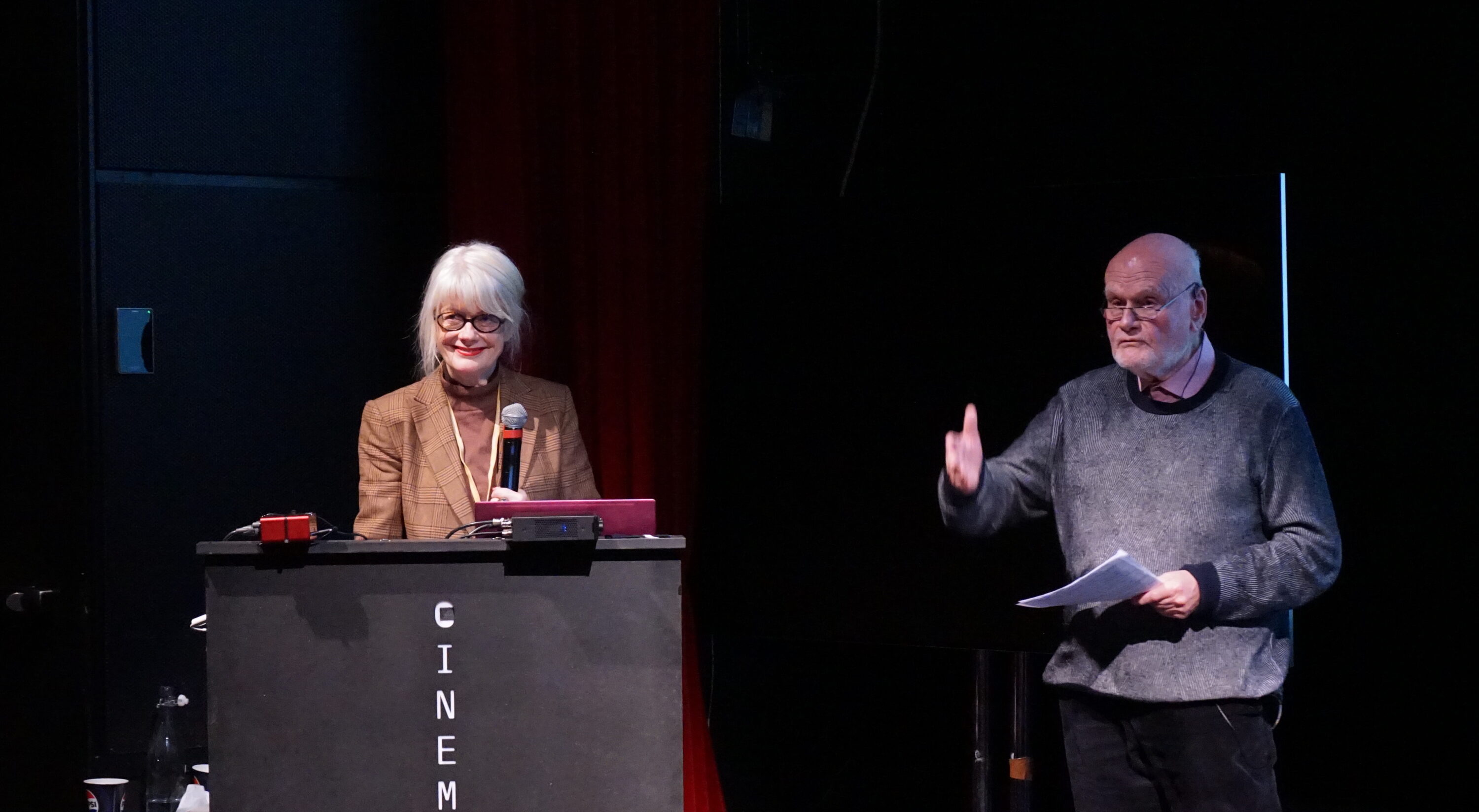
After a much appreciated Coffee break the always interesting and authoritative team of Kurt Brazda AAC and Dr Cristina Busch accounted for the results of a recent IMAGO survey on the subject of ”Working conditions for cinematographers in Europe”.
Next distinguished cinematographer Steve Yedlin ASC enlightened us all on the subject of HDR. Among the key takeaways were that the whole notion that the SDR version has to look totally different than the HDR version is wrong. Depending what the scene is, there may be no difference between SDR and HDR. Being able to go much further in the highlights will only show up if the scene allows it (a very bright window for instance).
True to tradition, the Saturday programme is wrapped up by a wonderful party at Storyline Studios, where guests are treated to all the beer, wine and pizza they can handle!
The early Sunday presentations all start out with the audience somewhat thinned out as some have already had to catch their respective flights back home. IMAGO Copyright Lawyer Dr Cristina Busch makes another welcome appearance with the piece ”Artificial intelligence and intellectual rights”, and as a member of the audience during the Q&A session it’s a pleasant sensation to be able to get qualified legal advice without being charged the customary 500€ per hour 🙂
The next presentation is called ”A new vision of film production reality: the future of the profession” and is given by Aleksey Berkovic, ITC. He proposes that as filmmakers we must prepare -not for tomorrow, because it’s already here- but prepare for right now if we don’t wish to be replaced by AI. And the key to this is better preparation. Since AI can create results so quickly, we also must increase our efficiency on set by ensuring seamless creative processes through thorough preparation.
As the next presentation, ”Old format, new camera: working with the 65mm Logmar camera” ends, it quite unexpectedly turns the auditorium into a happening! Everybody approaches the podium and wants to talk to the presenters. It is quite obvious that the youthful enthusiasm for shooting on celluloid, which permeates the presentation, ignites a spark in many audience members who themselves spent a great part of their careers shooting on film. Laura Hilliard and Steven Wyatt are cinematographers and educators, based in Manchester at Salford University, and they are heavily into celluloid and let their hundreds of students shoot Super8, 16, 35 and even 65mm film. The latter using the Danish Logmar 65mm camera.
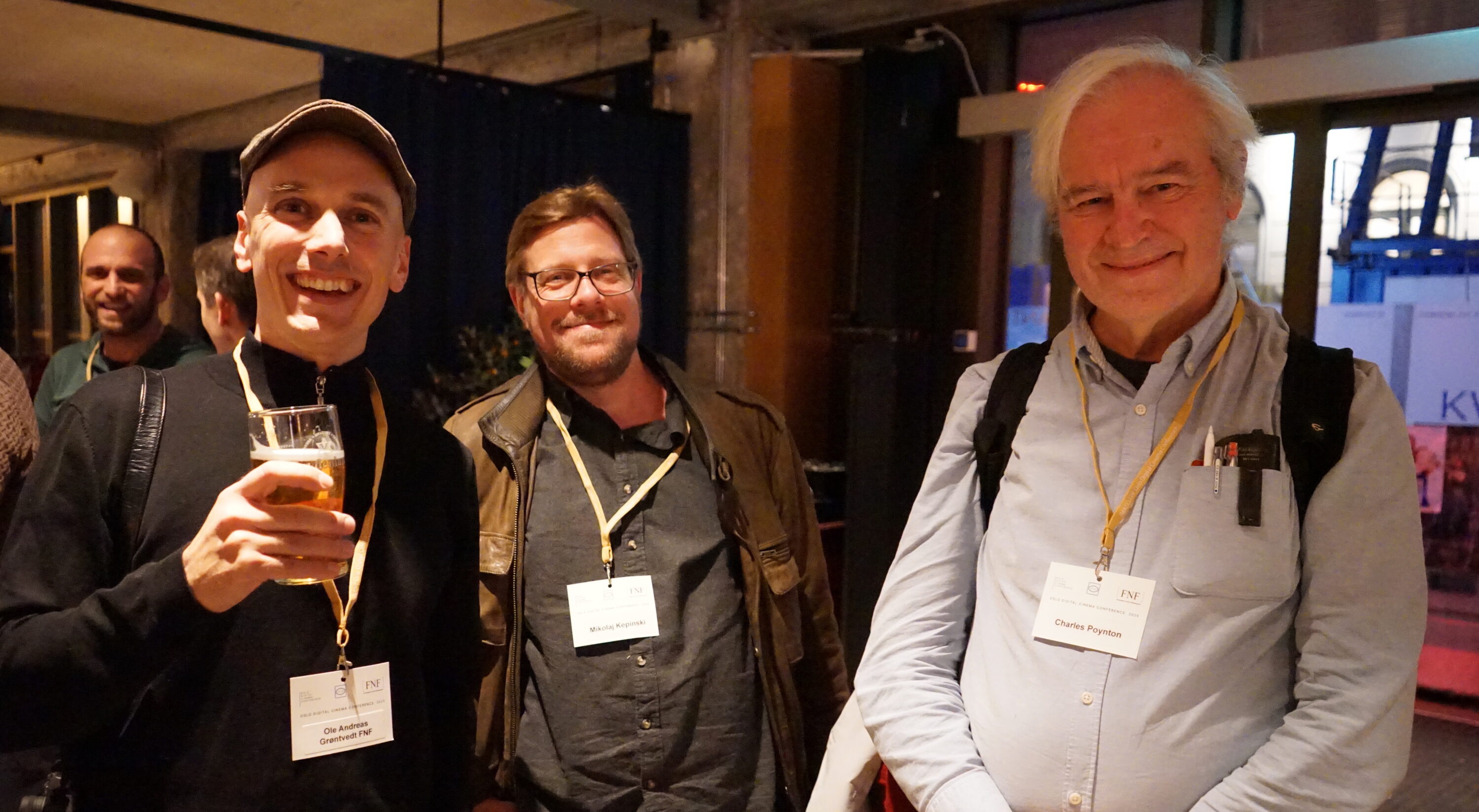
After a much appreciated lunch break Charles Poynton, PhD, returns with a lecture called ”Gamma and log coding for D-cinema” and then the highly successful AI visual artist Edmond Yang addresses the elephant in the room with his aptly named presentation ”Artificial Intelligence in commercials – will AI take our jobs?” He describes how commercials can be created entirely using AI software. Actors are filmed for reference though, and at this point in the game it’s almost more interesting to learn what AI doesn’t do very well, more than anything else, and one case in point is how Edmond Yang stresses that filming both actors at the same time talking to each other is almost necessary, because prompting the AI to generate reactions to each other would be near impossible.
Rounding off the entire conference were two brief speeches, ”Lighting the TV-series ’The pushover’” presented by Michael Lanham FNF and gaffer Joakim Tutturen, and ”One Lens 16K 360 plate capture”, a fascinating technical demonstration from Igelkott Studios by Eric Hasso, state-of-the-art expert at simulating shots of moving vehicles.
Paul René Roestad FNF and Ole Andreas Grøntvedt FNF then received well-deserved applause for a most memorable and skillfully executed conference.
Lars Pettersson FSF
Senaste 5 nyheterna
Roy Rossovich och Charlotta Tengroth kommer till Barbros 31/3
Vi fortsätter våra klubbkvällar för medlemmar under våren 2026.
Nästa FSF-kväll blir tisdagen 31/3 kl.17.30-ca 20.00
Då gästas vi av Charlotta Tengroth och Roy Rossovich
Charlotta är utbildad på DI, plåtar mest dokumentärfilmer och arthouse.
Roy Rossovich, Internationellt verksam inom både inom stillbildsfotografi & rörliga bilder.
Läs mer…
BSC Expo 2026
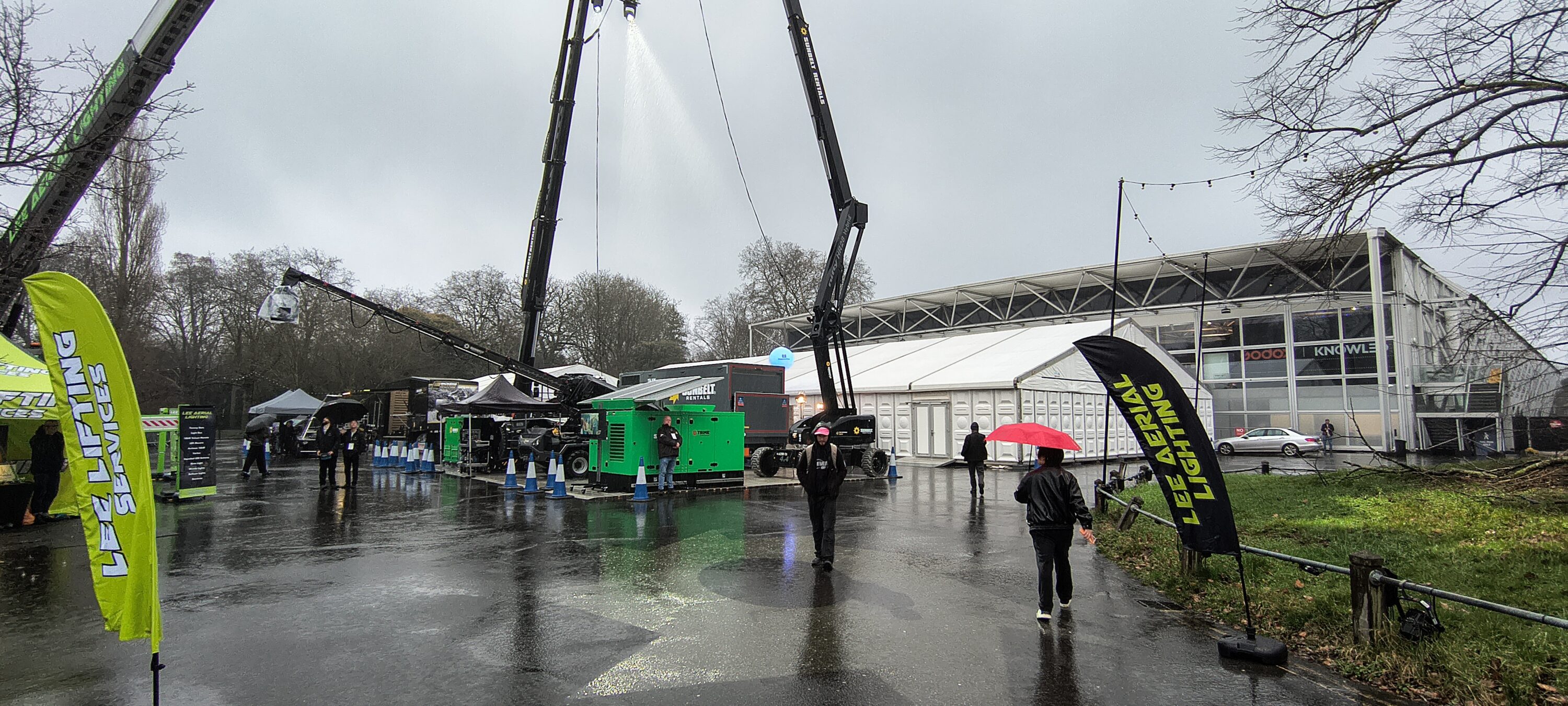
Whoever came up with the idea of opening this year’s Expo on the ominous date of Friday the 13th certainly had nerves of steel, since superstition runs like a long traditional thread through cinema history. The classic monster movie King Kong from 1933 is 14 reels long because in the first edit they discovered that it ran 13 reels, and to release it that way was unthinkable, so either cut it down or shoot some more. Filmmakers Schoedsack and Cooper knew they had a hit on their hands and so decided to shoot the famous scene where King Kong smashes a subway car in New York City.
Läs mer…
Det finns inget tråkigare än en snygg bild – ett samtal mellan filmfotografen Lisabi Fridell och Adam Nilsson