My key takeaway from Camerimage concerns AI
At Camerimage this year, a recurring theme for the seminars was AI. For me, the key takeaway came from a passionate speech by former ASC president Michael Goi. It was a call-to-arms of sorts, not against AI, but to engage with AI.
Michael argued that there is a window of opportunity, where cinematographers and filmmakers can engage in dialogue with the developers, and influence the technological advancement. It is of utmost importance that we do engage with the developers of these tools. If we don’t, they might develop in a trajectory that could damage visual storytelling.
As cinematographers, we spend our careers shaping images with intention, in the service of story. Our experience and knowledge is relevant when it comes to developing new tools for filmmaking. As a community we have over a century’s worth of experience in crafting photographic images for visual storytelling. We have to ensure that this wealth of knowledge gets transferred to the tools and creators of the next generation. We cannot bury our heads in the sand, we must get involved. If we take part of this evolution we can influence the development so that these tools can work in the service of storytelling.
If we do not engage, it is far more likely that the tools will develop in a direction less favourable to storytelling. For me that means homogenisation, more generic imagery with a loss of intent. It could mean effect-seeking and overly cosmetic. All those nuances we manipulate could be generated at random, it would be a kind of artificial cinematography.
As cinematographers we have to be the vanguard of visual storytelling. That’s been the case through all previous transitions; from black and white to colour, from film to digital. It must continue so in the era of AI tools. But it will only continue to be so if we make sure to stay in the room where it happens.
The ASC has established a workgroup on AI, collaborating with leading AI creators and engaging with the studios, and presumably, with developers of AI tools. Within the FSF we have ongoing discussions about starting such a group, and I would urge us to heed to the words of Michael Goi and do so.
Listening to Michael Goi and to my industry peers, it becomes clear that we are watching this transformation unfold from the sidelines. That window is beginning to close. The time to engage is now.
Let’s remind ourselves that at the core, we serve the story, regardless of what tools we use. To quote Roger Deakins ASC on this debate: “As long as you have something to say. I don’t care what you use.”
Senaste 5 nyheterna
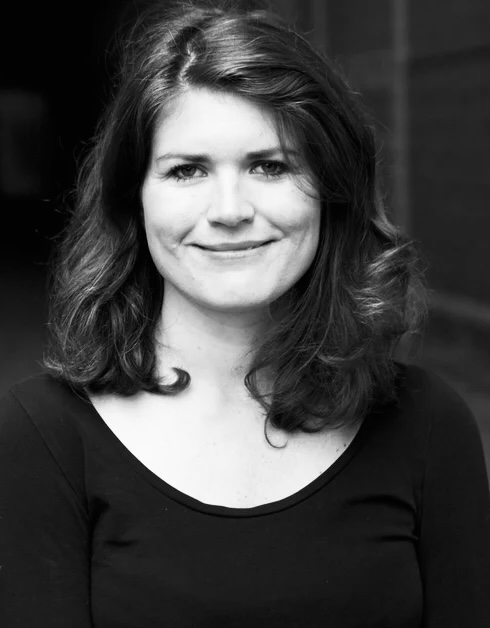
Ellinor Hallin till Barbros torsdag 5/11 kl. 17.30
Varmt välkomna tillbaka torsdag 5/11 kl. 17.30 då gästas vi av Ellinor Hallin som i första hand ser sig som dokumentärfilmsfotograf.
Hon har bland annat filmat dokumentärer som Filmen om Siw, Riddaren på Strandvägen, Josefin & Florin, Kören, Scheme Birds och Little to Big.
Läs mer…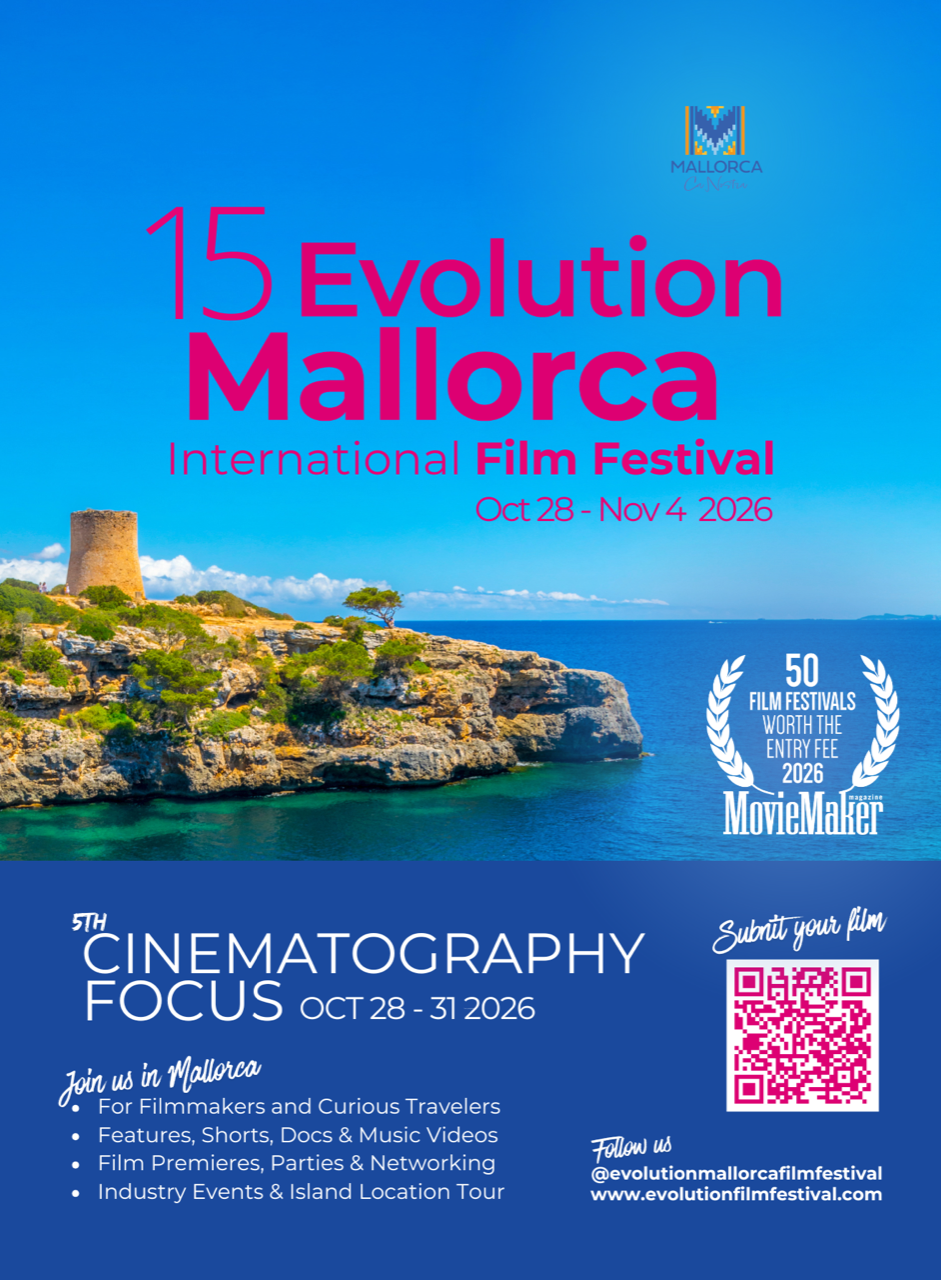
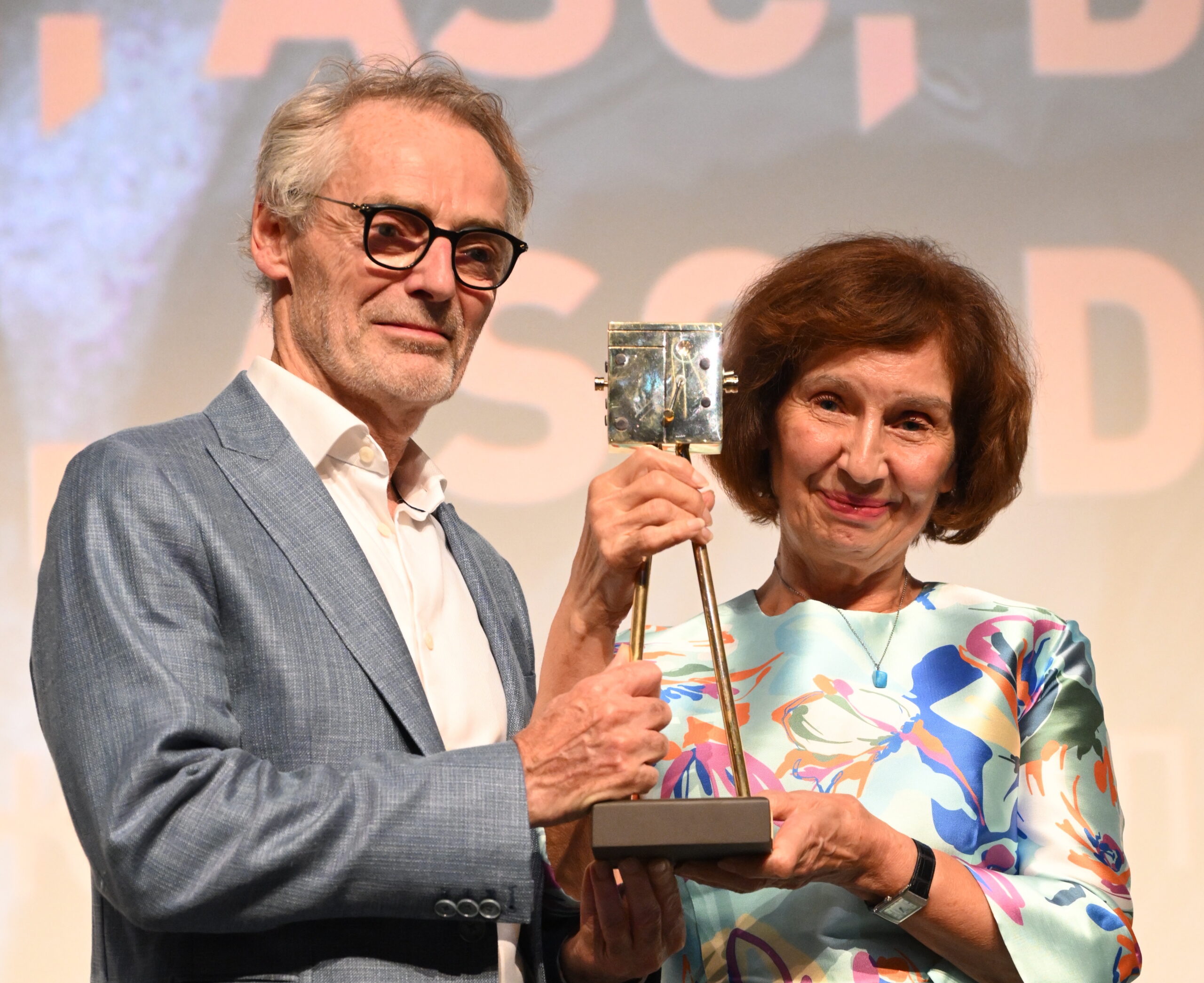
Manaki Brothers Film Festival 2026
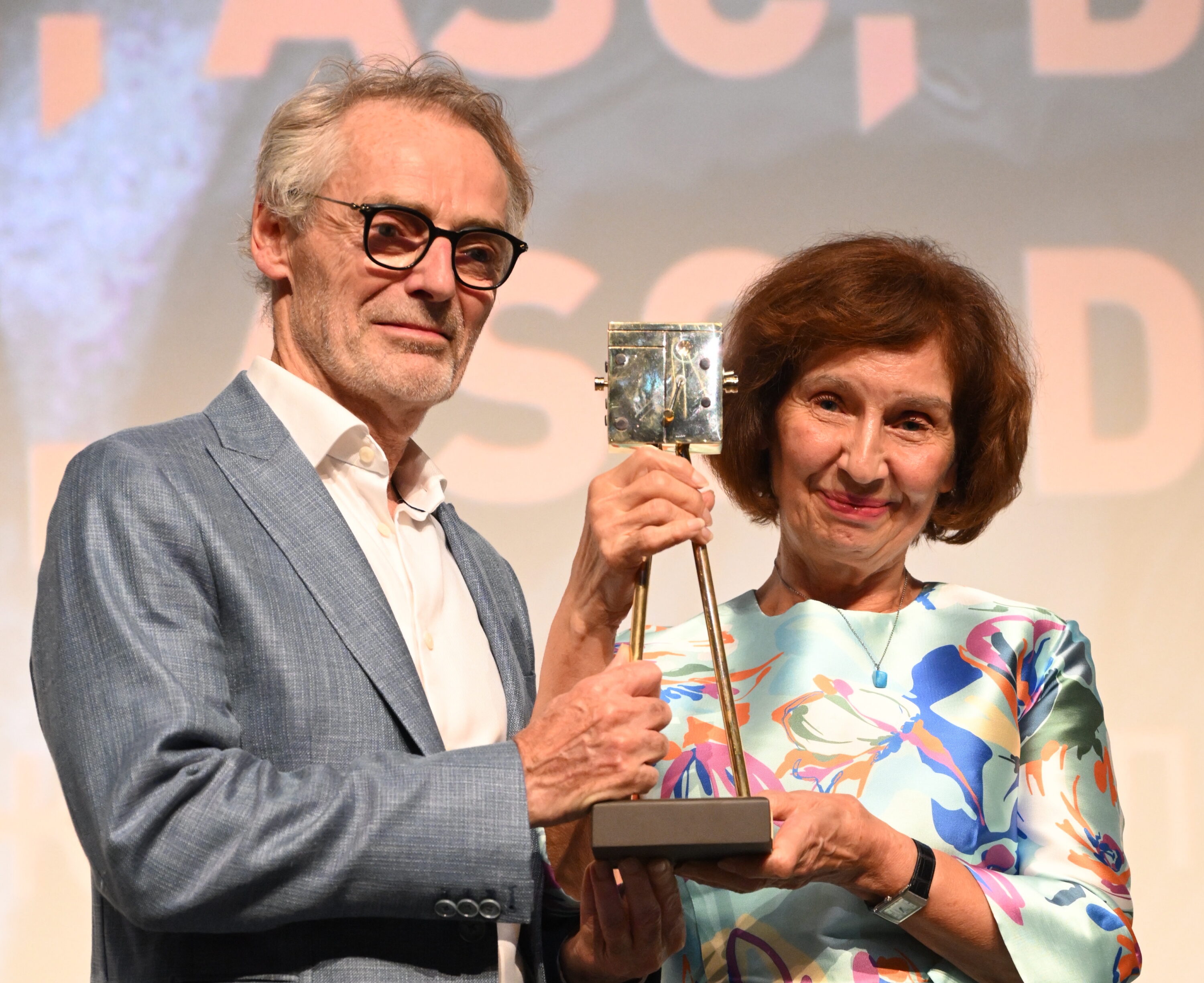
Between the 19th and 25th of September, the impossibly picturesque little town of Bitola, North Macedonia, was once again the backdrop to the International Cinematographer’s Film Festival ”Manaki Brothers”. This, the 47th edition of the festival, offered a full week of presentations, endless film screenings and a whole bouquet of other perks for those fortunate enough to be here. And those of us attending from Northern Europe get to enjoy an additional perk since for a brief few days summer makes a very welcome little encore appearance -and it is largely over and done with back home. And speaking of northern Europeans, this time around the FSF decided to send two representatives, co-President Jon Rudberg FSF, and yours truly.
Läs mer…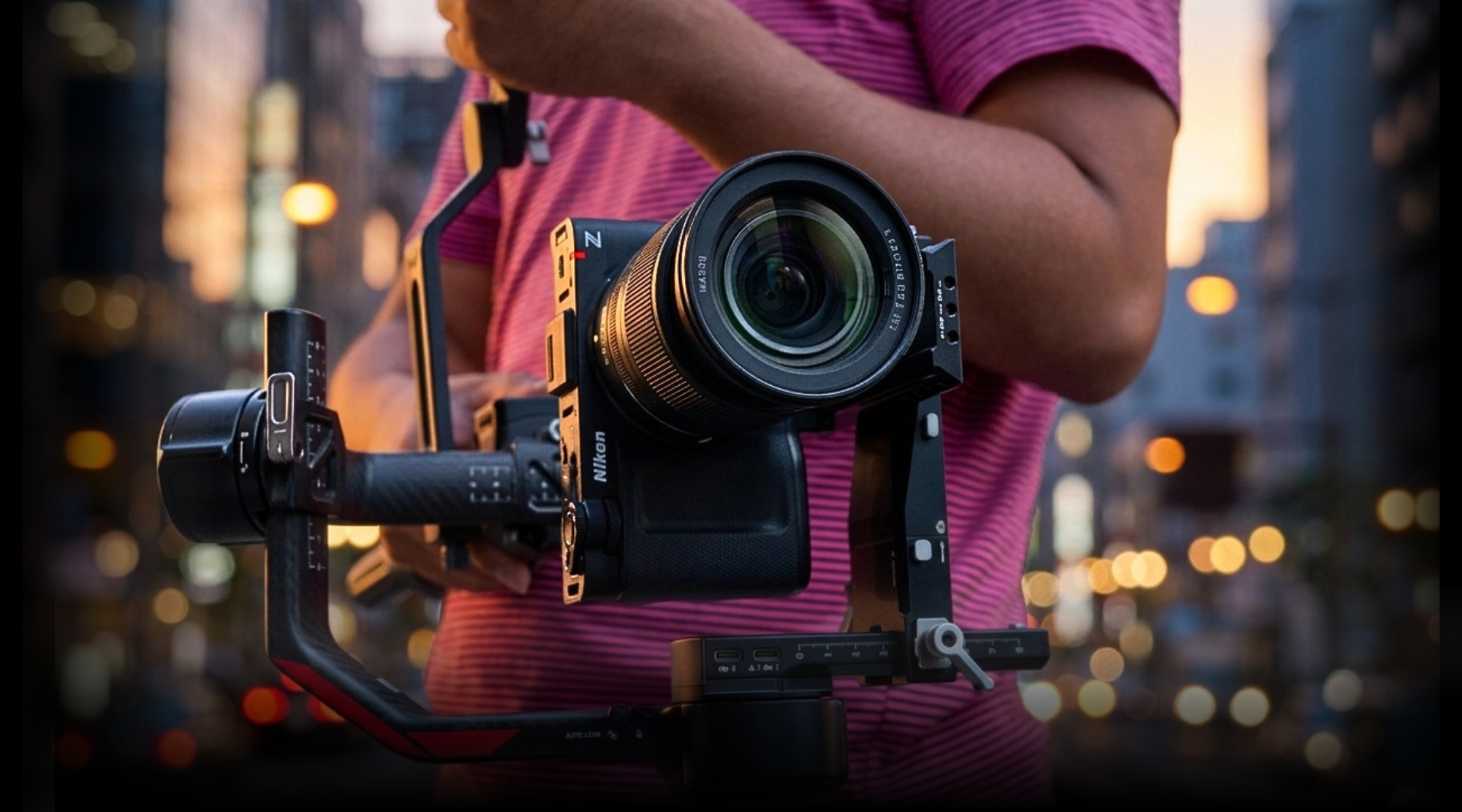
Nytt datum: Introducing Nikon ZR Cinema — now at Camera Nordic, October 22
When: Thursday, October 22, 2026, from 17:00
Where: Camera Nordic, Västmannagatan 17, Stockholm
Register here:
https://nikon-zr-cinema-now-at-camera-nordic.confetti.events
Compact filmmaking with anamorphic magic
Come and get hands-on with the Nikon ZR — a compact full-frame 6K cinema camera that packs serious filmmaking power into a small, lightweight body. With R3D NE RAW, 15+ stops of dynamic range, built-in stabilisation, 32-bit float audio and a versatile Z mount, it’s designed to deliver high-end results without breaking the bank.
Läs mer…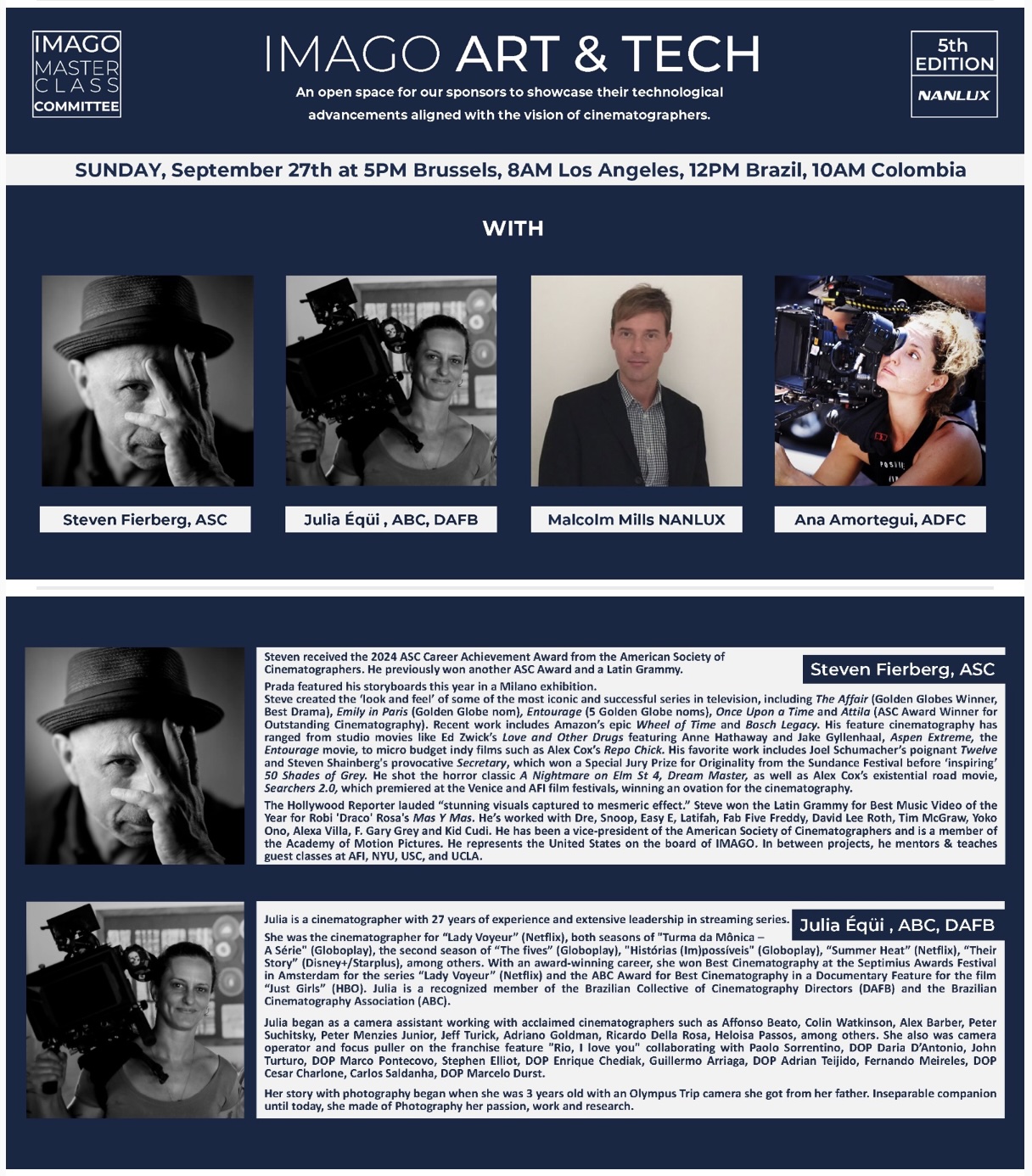
Video: Femte IMAGO Art & Technology med NANLUX – 27:e september kl 17.00
Inspelningen finns här:
https://www.youtube.com/watch?v=GEp1Nh5uLIg
We invite you to join us for the 5th edition of IMAGO Art & Tech: NANLUX, taking place on Sunday, September 27th.
This special session features Steven Fierberg, ASC (Emily in Paris, The Affair, Entourage), Julia Éqüi, ABC, DAFB (Lady Voyeur, Summer Heat) and Malcolm Mills, Nanlux’s General Manager and Director of Business Development and Technology, moderated by Ana Amortegui, ADFC (The Cleaning Lady, Quantum Leap, Resident Alien).
We look forward to seeing you there!
Jörgen Persson 90 år
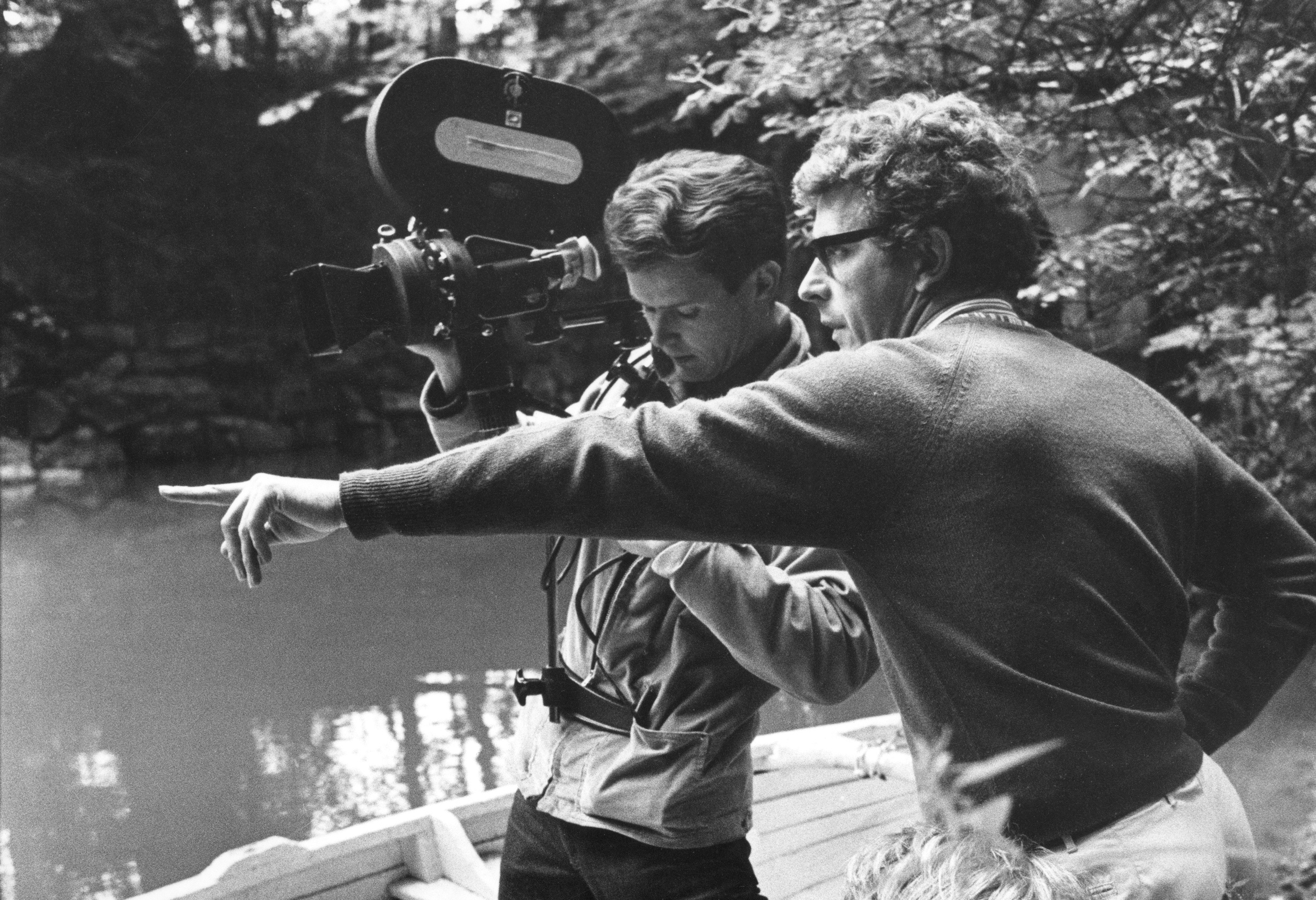
Jörgen Persson FSF, en av Svenskt Filmfotos ”Grand Old Men”, fyller 90 år torsdagen den 10e September i år. Vid sidan av Sven Nykvist var Jörgen Persson under senare halvan av 1900-talet vår internationellt mest framgångsrike svenska filmfotograf, och bland hans stora internationella filmer märks ”Andarnas hus” 1993 och ”Les Miserables” 1998. Idag har vi, med namn som Linus Sandgren och Hoyte van Hoytema, blivit bortskämda med internationellt framgångsrika svenska fotografer, men under Perssons och Nykvists storhetstid var detta ”a big deal”.
Läs mer…